


If you are trying to understand where escort services are legal in the US, the short answer is this: paid companionship is legal in all 50 states, as long as the agreement is strictly for time and social company.
While companionship itself is legal nationwide, some areas require business licenses, specific permits, or follow stricter advertising rules. Others keep it simple and treat escorting like any other independent service profession.
Below, we walk through the legal landscape state by state, focusing only on lawful arrangements and the practical details that matter.
Contents
What Companion Services Actually Look Like in Practice
In real life, companion work is usually pretty straightforward. An escort meets a client for something social – maybe a business conference, a concert, dinner at a nice restaurant, or even just conversation during a long layover. The payment is for time and company. That is it. Clear boundaries are normally discussed ahead of time so there is no confusion once you meet.
A lot of independent companions now use platforms that focus on verification and direct messaging. That helps both sides feel more comfortable. Clients know who they are speaking with, and providers stay in control of their schedules, rates, and the type of bookings they accept. It is a flexible setup, and honestly, that flexibility is a big reason the model has grown over the years.
On a broader level, there is no federal law that bans paid companionship. Federal attention only comes into play when travel involves illegal activity, which does not apply to standard social escort arrangements. Traveling across state lines for a legitimate dinner date, event, or appearance is not a problem when the agreement stays within legal boundaries.
In practice, most people involved never deal with federal issues at all. Things run smoothly when expectations are clear, communication is direct, and everyone keeps it professional.

Simplifying Companionship Connections with Escorttime
We built Escorttime to keep things simple. Independent companions deserve a direct way to connect with clients who are looking for real, straightforward companionship – not layers of agencies or confusing systems. Our platform works as an open advertising directory across more than 200 US cities.
Clients search by location, browse detailed profiles with photos and availability, then reach out directly. There are no commissions and no middlemen managing conversations. Providers set their own terms, and communication stays private and professional from the first message.
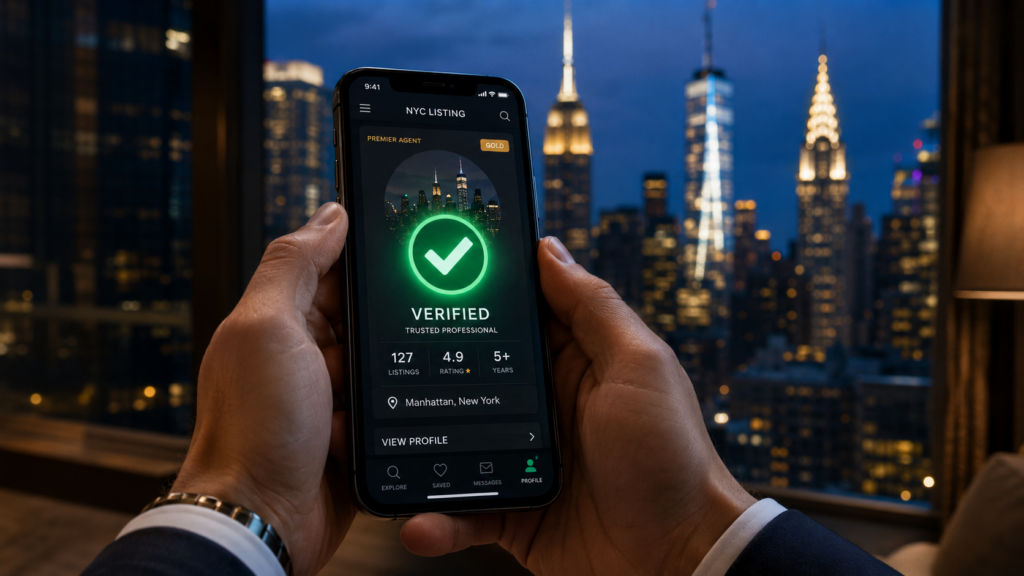
We also put real effort into verification and safety. Every profile goes through a quick review before going live, which gives clients confidence when booking someone for a dinner, event, or casual outing. At the same time, companions keep full control over their schedules and presence. With fast approvals, ongoing support, and steady daily traffic, the system works because we respect boundaries, independence, and clear expectations on both sides.

How State Laws Shape the Companion Landscape
At its core, every state treats lawful companionship the same way – it is allowed. Where things start to look different is at the city level. Some places want permits. Others just expect a basic business registration, like you would need for photography or consulting. It is less about banning anything and more about local oversight.
Let’s walk through how this plays out in different parts of the country.
California
California has one of the busiest companion scenes in the US. Cities like Los Angeles, San Francisco, San Diego, and Sacramento see steady demand year round. In some of these cities, escorts or agencies need a local permit. That usually means a background check and a fee paid to the city or county.
Once that paperwork is done, operations are generally smooth. With the state’s packed event calendar and large population, there is no shortage of business dinners, industry events, and cultural outings. Many providers focus exactly on that – polished social appearances that fit professional settings.
New York
New York works in a similar way. There is no statewide escort license, but agencies may need to register as a business depending on the city. In New York City especially, the key is keeping everything clearly framed as paid social time.
The pace of the city helps. Between corporate events, galas, and Broadway nights, there is constant demand. Most people say that once expectations are clearly written out, the process feels pretty straightforward.
Nevada
Nevada often gets talked about for other reasons, but when it comes to simple companionship, the rules are not complicated. Las Vegas and Reno attract visitors all year, and independent companions are common.
Some counties license certain adult businesses, but that does not apply to standard social escort work. Most providers operate independently or under small agencies with regular business licenses. In a tourism driven state, reliable company for events and evenings out is always in demand.
Texas
Texas keeps things fairly direct. Cities like Houston, Dallas, Austin, and San Antonio all have active markets. State law does not ban paid social time together. Some cities require standard business registration, which is usually quick and inexpensive.
Bookings often revolve around business dinners, conventions, rodeos, or weekend trips. The emphasis stays on clarity and professionalism.
Florida
Florida’s mix of tourism and nightlife creates steady work in places like Miami, Orlando, Tampa, and Fort Lauderdale. Companion services are legal statewide. Agencies coordinating multiple providers may need local permits, but independents often just register as small businesses if required.
A lot of bookings center around events, beach outings, and travel companionship. The atmosphere tends to feel relaxed, but the structure is still professional.
Illinois and the Midwest
Chicago leads the Midwest with strong demand tied to conventions, sports, and corporate events. In Illinois, lawful escort work is typically treated like any other personal service. A general business license usually covers it.
Other cities such as Detroit, St. Louis, and Minneapolis follow similar patterns. Many providers specialize in professional settings, which keeps expectations consistent and repeatable.
Other Regions
Across the Northeast corridor, including Washington, D.C., bookings often revolve around government and business functions. In the Southeast, cities like Atlanta and Charlotte have seen growth thanks to corporate relocations.
Mountain states and the Pacific Northwest follow the same basic model. Companionship is allowed, and local registration handles most formalities. Even smaller cities have independent providers who advertise responsibly and operate without much complication.
Cities With Specific Licensing Requirements
A handful of cities add an extra step. This is usually about oversight, not prohibition. The service itself is still legal, but providers may need to complete local paperwork before operating.
Here are some examples of cities and areas with specific licensing rules:
- Los Angeles, California: City issued escort permits required.
- San Francisco, California: Local permit system in place.
- Stockton, California: Municipal level escort permits.
- Tempe, Arizona: Annual licensing requirements.
- La Crosse, Wisconsin: Licensing for escort bureaus and individuals.
- Selected municipalities in Wisconsin: Annual permit structures.
- Various mid sized California cities: Local escort registration ordinances.
In most cases, the process is fairly routine. It usually involves submitting an application, paying a fee, and passing a background check. Once approved, the provider can legally operate for the year. It is more administrative than anything else, and for many independents, it becomes just another part of running a small business.
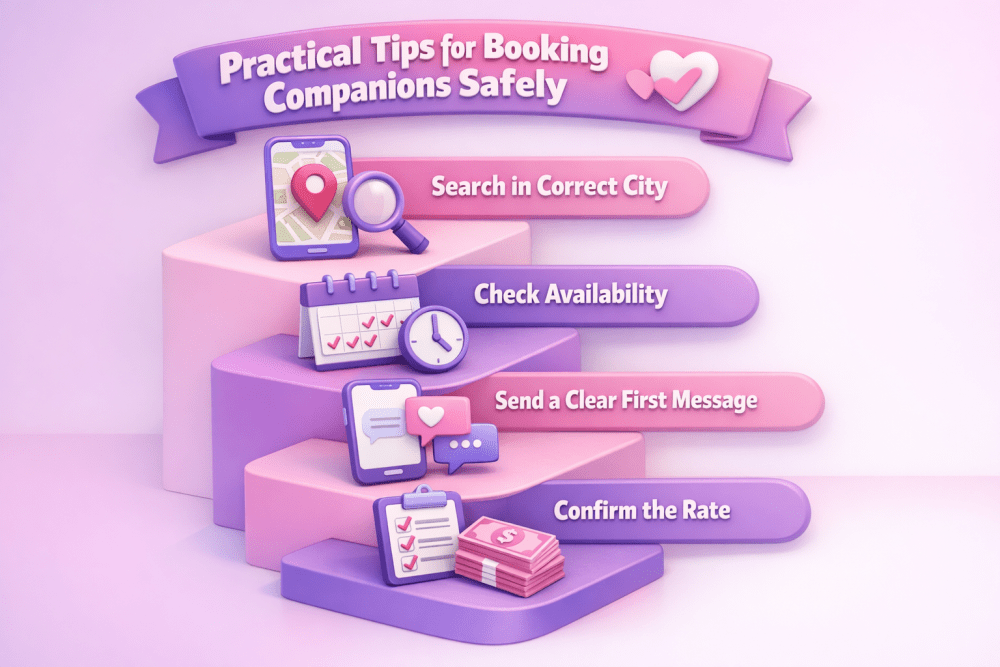
Practical Tips for Booking Companions Safely
If you are booking a companion for a social event, keeping things simple really does make everything easier. Most smooth experiences come down to clear communication and basic courtesy.
Here are a few practical habits that help:
- Search in the correct city and read profiles fully before reaching out.
- Check availability, service areas, and any stated preferences.
- Send a clear first message with the date, time, and type of event.
- Confirm the rate, meeting location, and duration in writing.
- Arrive on time and prepared as agreed.
- Respect all stated boundaries during the booking.
- Send a brief thank you message afterward.
Vague or rushed communication is usually what causes delays. Being specific from the start saves time for both sides.
Think of it like booking any other professional service. The clearer you are, the smoother it goes. And honestly, simple things like punctuality and a polite follow up message make a stronger impression than most people realize.
How Independent Companions Operate Legally and What the Future Looks Like?
Most escorts today work independently. They set their own schedules, choose their clients, and communicate directly. The legal side usually comes down to a few consistent habits.
They describe services clearly as companionship only. They keep written confirmations of bookings and rates. They screen clients through conversation before agreeing to meet. They use payment methods that feel secure for them.
It is not complicated, but it does require being organized. That professionalism is what keeps everything smooth.
The industry keeps moving toward more transparency and independence. More providers work directly with clients. Verification tools are better than they used to be. Communication is clearer.
Local regulations may shift slightly here and there, but the core rule does not change. Paid companionship for time and social presence remains legal across the country.
If you stay informed about local requirements and treat every interaction professionally, problems are rare. In the end, it really comes down to research, respect, and clear communication.
Conclusion
Paid companionship for social outings is legal in every state. The differences you see are mostly about local permits and business registration, not about banning the service itself.
As long as arrangements focus strictly on time, conversation, and shared experiences, they stay within the law. The system works when everyone keeps things transparent and professional.
Reliable options exist nationwide. Understanding the local nuances just makes the process smoother.
FAQ
No. Clients do not need any license. Licensing rules, when they exist, apply to providers or agencies.
Yes. Traveling between states for legitimate social companionship is not an issue as long as everything remains lawful.
Clear language about companionship only, transparent communication, and mention of local registration when required are good signs.
Most cities have at least basic business registration rules, but smaller towns often have very light oversight compared to large cities.
Often, yes. Many providers accept short notice bookings if they are available. Just communicate clearly and respect their time.


Leave a Reply