If you’ve spent any time browsing classified listings in New York City, you’ve seen the verified badge. It sits on certain profiles and immediately signals something different from the unverified listings around it. But what does verified listings new york city actually mean in practice? What did the person behind that badge have to do to earn it? And more importantly does it actually protect you as a browser in one of the world’s most complex listing markets?
These are fair questions. The word “verified” gets used loosely across the internet, and not every platform means the same thing by it. This guide explains exactly what verification means on Escorttime’s NYC listings, what it covers, what it doesn’t, and how to use it as part of a smart browsing strategy in a city where the stakes of getting it wrong are genuinely high.
Why Verification Matters More in New York City Than Almost Anywhere Else
New York City has a listings volume problem. The market is enormous — Manhattan alone generates more listing activity than most entire cities — and that scale creates serious noise. Fake profiles, inactive listings, stolen photos, and deposit scammers all hide more easily in a high-volume environment.
Verification exists specifically to address this problem. It creates a baseline accountability layer that separates people who are willing to confirm their identity from those who aren’t. In a city where you might be taking a thirty-minute subway ride across boroughs based on a listing you saw online, that distinction matters enormously.
Also, NYC attracts a high concentration of sophisticated scammers who know exactly how to build convincing fake profiles. Unlike smaller markets where basic common sense catches most fakes, New York requires stronger filtering tools. Verification is the strongest tool available on the platform.
What the NYC Verification Process Actually Involves
Verification on Escorttime isn’t a simple checkbox. The process requires several specific steps that confirm a real person is behind the listing.
Here’s what the verification process typically covers:
Photo identity matching: The provider submits a current photo that gets compared against their profile photos. If the person in the submitted photo doesn’t match the profile images, verification gets denied immediately.
Contact confirmation: A phone number or email address gets verified through a code-based confirmation step — similar to two-factor authentication on any major app or banking platform.
Profile content review: The listing content gets reviewed for red flags including copied text from other profiles, suspicious contact patterns, or location claims that don’t check out.
Ongoing accountability: Verified status isn’t permanent and unconditional. Profiles that accumulate credible reports or complaints can have their verification badge removed pending investigation.
The whole point of this process is to confirm that the person posting the listing is who they say they are and actually looks like their photos. That single confirmation eliminates the vast majority of catfish operations and stolen-photo scams that plague the NYC market.
Verified Listings New York City: What the Badge Does NOT Guarantee
This is the part most people skip, and it’s important. Seeing a verified badge and assuming everything is perfect is a mistake. Verification is a strong signal — not a guarantee of a flawless experience.
Here’s what verification does not tell you:
It doesn’t confirm current availability. A verified profile might not be actively booking right now.
It doesn’t guarantee pricing accuracy. Rates listed in a profile can be outdated without the verification status being affected.
It doesn’t confirm location precision. A provider might list a general neighborhood like “Midtown” while actually being based in a different part of Manhattan.
It doesn’t replace reviews. Verification confirms identity. Reviews confirm experience quality. Both matter.
It doesn’t mean the profile is currently active. Someone can be verified and have last been active three months ago.
Think of the verified badge the way you’d think of an ID check at a venue door. It confirms the person is who they claim to be. It doesn’t tell you anything about what happens next. Your own judgment, communication skills, and attention to detail still matter after verification.
How Verified NYC Listings Compare to Unverified Ones
The practical difference between verified and unverified listings in New York City is more significant than in most other markets. Here’s why.
NYC’s sheer volume means unverified listings are where most of the noise lives. When you look at the unverified pool in Midtown Manhattan or Williamsburg on a busy Friday night, you’re looking at a mixture of legitimate new providers who haven’t completed the process yet, inactive profiles that never get removed, and fake listings that specifically target high-traffic browsing windows.
Verified listings, by contrast, show consistent patterns across the board:
More complete profile information with specific neighborhood references
Multiple current photos rather than one or two generic images
Accurate location data — providers specify their area down to cross streets sometimes
More consistent activity and listing updates
Faster response times because verified providers tend to be more professionally engaged with the platform
On the other hand, unverified doesn’t automatically mean fake. Some of the best providers on the platform are new and haven’t completed verification yet. However, in NYC specifically, the risk ratio in the unverified pool is high enough that starting with verified-only is the smart move for any browser.
How to Use Verification as Your Primary Browsing Filter
The most efficient way to browse verified listings new york city is to apply the verification filter before you do anything else. Don’t start with photos, don’t start with pricing — start with verified.
Here’s the complete browsing sequence that works in NYC:
Go to the NYC city page or your target borough page
Apply the verified filter immediately — this cuts the list to a manageable size
Sort by recently active — verified but inactive is still useless
Filter by neighborhood — don’t browse all of Manhattan at once, pick a zone
Set a profile limit — review ten to fifteen maximum before making decisions
Read full bios — verified providers tend to write more detailed bios worth reading
Check for NYC-specific references — real local providers mention subway lines, cross streets, and neighborhoods by name
Message with context — mention your location and availability clearly in the first message
When you browse verified NYC listings using this sequence, the experience is dramatically different from random city-wide browsing. You’re working with a curated subset of the market rather than fighting through everything at once.
What Verified Means for Different NYC Neighborhoods
Verification’s impact varies somewhat by neighborhood, simply because different areas have different baseline listing quality levels.
Manhattan: Where Verification Matters Most
In high-traffic Manhattan zones — Midtown, Times Square corridor, the Financial District — the gap between verified and unverified listings is the widest in the entire city. These areas have the highest concentration of fake and low-quality listings, so the verification filter provides the most dramatic quality improvement here.
If you’re browsing in Midtown specifically, filtering to verified-only should be considered non-negotiable rather than optional. The unverified pool in this zone has a higher fake listing rate than anywhere else on the platform.
Brooklyn: Verification as a Quality Signal
In Brooklyn neighborhoods like Williamsburg, Park Slope, and Brooklyn Heights, verification functions more as a quality signal than a strict safety filter. The overall fake rate in Brooklyn is lower than Manhattan, but verified listings still represent the top tier of the borough’s available profiles.
Providers in Brooklyn who have gone through verification tend to be more established, more responsive, and more selective about who they work with. That selectivity often translates to a better overall experience.
Queens and the Outer Boroughs
In Queens neighborhoods like Astoria and Jackson Heights, and across the Bronx and Staten Island, verification indicates a provider who is serious about their platform presence. Because outer borough listing volume is lower, the verified pool is smaller — but the profiles within it are almost always legitimate, active, and well-maintained.
New York Safe Listings: Verification and the Bigger Safety Picture
Verification is a critical safety tool, but it works best as part of a complete safety approach rather than a standalone solution. Understanding [new york safe listings] means combining verification with other protective habits.
For example, even after filtering to verified listings, you should still:
Run a quick reverse image search on the main profile photo
Check when the listing was last updated
Read the bio carefully for specific NYC geographic knowledge
Ask a location-confirming question early in the conversation
Never send deposits through untraceable payment apps
Verification handles the identity layer. These additional steps handle the behavioral and situational layers. Together they give you genuine protection in a market as complex as New York City.
Also, if you encounter what looks like a fake verified listing — a badge that seems inconsistent with the rest of the profile — report it immediately. Escorttime investigates verification fraud reports seriously and removes badges from accounts that misrepresented their identity during the process.
Trusted Listings NYC: What Enhanced Verification Looks Like
Some providers on Escorttime complete multiple verification steps beyond the standard process. These trusted listings nyc profiles represent the highest confidence tier on the platform.
Enhanced verification might include additional photo submissions, video confirmation, or supplementary identity checks beyond the baseline process. When you see a profile that has completed multiple verification tiers, you’re looking at someone who has invested significantly in establishing their platform legitimacy.
In NYC specifically, providers who pursue enhanced verification tend to operate in the premium segment of the market. They have established client bases, consistent booking histories, and a professional reputation they’re actively protecting by maintaining their verified status.
Why Providers in NYC Pursue Verification
Understanding why providers seek verified status helps you appreciate what the badge represents from their side of the equation.
For NYC providers, verification is primarily a competitive tool. The market is so large and so noisy that standing out requires every available advantage. A verified badge instantly separates a listing from the unverified pool and signals professionalism to experienced browsers who know what they’re looking for.
Verification also filters client quality. Providers who display a verified badge tend to attract more serious, respectful, and organized clients — people who themselves understand platform quality signals and respond to them. In a busy market like NYC, being selective about client quality matters as much as visibility.
Also, verified status affects search ranking on the platform. Escorttime’s algorithm gives priority placement to verified listings, which means verification provides a direct visibility boost in addition to the trust signal it sends to browsers. For providers trying to build a consistent NYC client base, that visibility advantage compounds over time.
For comprehensive context on how verification fits into the broader NYC browsing landscape, the new york city listings guide covers area-specific listing quality across all five boroughs in detail.
How to Report a Suspicious Verified Listing in NYC
Badge fraud is rare but it happens. If you encounter a verified listing that raises serious red flags — the photos clearly don’t match, the person claims a location that makes no geographic sense, or the communication patterns suggest a fake operation — report it immediately.
The reporting process on Escorttime is straightforward. Every profile page has a report function. Use it and include specific details: what doesn’t match, what the person said, and any screenshots you captured. The more specific your report, the faster the investigation can proceed.
Also worth knowing: if a verified provider’s behavior in communication crosses into scam territory after an initial legitimate-seeming start, that’s still reportable. Verification confirms identity at a point in time — it doesn’t make someone immune to the consequences of subsequent bad behavior on the platform.
For a full breakdown of red flags to watch for alongside verification, the spot fake listings guide covers the specific warning signs that persist even in verified profiles.
Final Thoughts on Verified Listings New York City
The verified listings new york city system is one of the most valuable tools available for anyone browsing in this market. It isn’t perfect no single filter ever is but it dramatically improves the quality of your browsing experience and reduces your exposure to the fake listings and scam operations that make NYC’s unverified pool genuinely risky.
Use verification as your first filter, not your only filter. Combine it with recent activity sorting, neighborhood-specific browsing, and basic communication due diligence. When you stack these habits together, New York City’s enormous listing market becomes manageable rather than overwhelming.
The verified badge represents someone who stood behind their identity. That’s worth more than it sounds in a city where anonymity makes deception easy.
Frequently Asked Questions
How long does verification take for NYC listings on Escorttime?
Most providers complete the standard verification process within twenty-four to forty-eight hours. Once approved, the verified badge appears on the profile immediately and remains visible to all browsers across the NYC listing pages.
Can a verified NYC listing still turn out to be a scam?
It’s significantly less likely but not impossible. Verification confirms identity at the point of submission. If someone completes verification legitimately and then behaves deceptively afterward, their verified status doesn’t protect them from being reported and removed. Always combine verification filtering with your own judgment.
Does verification cost providers anything in New York City?
Standard verification on Escorttime is free for providers. Some enhanced verification tiers may involve a small processing fee, but the baseline identity confirmation that earns the standard verified badge costs nothing. This means there’s no financial barrier preventing legitimate providers from getting verified.
Why do some NYC listings have a verified badge but low-quality profiles?
Verification confirms identity — not profile quality. A provider can be genuinely verified while still having a minimal bio, few photos, or infrequent activity. Verification is the floor, not the ceiling. Use it as your starting filter and then evaluate actual profile quality from there.
How do I filter for only verified listings when browsing New York City on Escorttime?
On the Escorttime NYC city or borough page, use the filter panel to select verified only. The results update immediately to show only badged profiles. You can combine this filter with neighborhood selection and activity date sorting for the most refined browsing experience.
New York City has the largest classified listings market on the East Coast — and that scale cuts both ways. More listings mean more options, but also more opportunities for scammers to hide in the noise. Fake listings new york city browsers encounter range from simple catfish profiles to sophisticated deposit scams that target visitors who don’t know better. If you’ve ever clicked on a promising NYC profile only to get burned, this guide is exactly what you needed before that happened.
The good news is that fake listings follow predictable patterns. Once you know what to look for, spotting them takes seconds rather than minutes. This guide covers every major red flag specific to the New York City market borough by borough where relevant and gives you a practical checklist you can run through before messaging anyone.
Why Fake Listings Are a Bigger Problem in NYC Than Most Cities
New York City processes more listing traffic than almost any other American city. Sixty million annual visitors, a massive transient population, and a 24/7 culture that never slows down creates ideal conditions for scammers. They know the turnover is fast, the demand is constant, and new targets arrive every single day off planes at JFK, LaGuardia, and Newark.
Also, NYC’s geographic complexity works in scammers’ favor. A visitor who doesn’t know the difference between Astoria and Flushing, or who doesn’t realize that “Midtown” covers about forty blocks, is easy to mislead with vague location information. Fake listings exploit this confusion constantly.
Furthermore, the sheer volume of legitimate listings provides excellent cover. When there are thousands of active profiles, a few hundred fake ones blend in easily. That’s why passive browsing just scrolling without a system is genuinely dangerous in the NYC market.
The Most Common Fake Listing Types in New York City
Before getting into specific red flags, it helps to understand the three main scam categories operating in NYC right now.
The Catfish Profile: Someone steals photos from an Instagram model or OnlyFans creator, builds a convincing profile, and collects deposits from people who believe the profile is real. The photos are often of well-known creators with large followings because those images are everywhere and easy to find.
The Deposit Scammer: The profile looks legitimate, the communication feels professional, and then comes the ask a “booking deposit” via Zelle, CashApp, or Venmo to “secure your time slot.” Once you send it, they block you and disappear.
The Bait and Switch: The profile is technically real, but what shows up — whether in person or in further communication is completely different from what was advertised. This happens most frequently in high-traffic zones like Midtown Manhattan and around the major hotel corridors near Times Square.
All three types are active across every borough, though they concentrate most heavily in tourist-heavy Manhattan zones.
Red Flag #1: Photos That Don’t Match New York City
This is the fastest tell and it works almost every time. Look at the background of every photo carefully. Real New York City-based providers almost always have at least one photo that shows something recognizably New York a brick wall, a classic NYC apartment interior, a window view with the distinctive NYC rooftop water towers, or the unmistakable style of a Manhattan hotel room.
Fake listings typically use photos pulled from providers in Miami, Los Angeles, Atlanta, or overseas. The backgrounds are wrong. The architecture doesn’t match. The outdoor lighting looks like Florida in January, not Manhattan in March.
Also watch for photos that are clearly professional editorial shoots with no environmental context whatsoever. Pure white background studio shots tell you nothing about where this person actually is. They could be anywhere or they could be AI-generated entirely, which is an increasingly common problem in 2026.
Red Flag #2: Phone Numbers That Appear Across Multiple Cities
Copy the contact number from any suspicious profile and run it through a basic Google search. In thirty seconds you’ll know if that number has been posted in listings for Dallas, Chicago, Phoenix, and NYC within the same week. That’s a traveling scammer who mass-posts identical ads across platforms.
Real NYC-based providers typically maintain the same contact number for extended periods. They have established clients who reach them at that number. They don’t rotate numbers every few days because they have nothing to hide.
Also pay attention to area codes. A profile claiming to be based in Midtown Manhattan with a 305 Miami area code or a 404 Atlanta area code deserves extra scrutiny. Not every out-of-state area code is a red flag people keep their numbers when they move but combined with other warning signs, it matters.
Fake Listings New York City: Location Claims That Don’t Add Up
NYC fake listings frequently claim neighborhoods that don’t make geographic sense. A provider who claims to be “near Times Square and also available in Brooklyn Heights” without mentioning the forty-minute commute between them is either exaggerating their coverage area or doesn’t know the city at all.
Real New York providers are specific about their location because logistics matter enormously in this city. They know which subway lines are nearby. They reference cross streets. They understand that saying “Upper East Side” means something very different from “Midtown East” to someone trying to figure out travel time from their hotel.
When a profile says something vague like “all of Manhattan available” or “NYC and all boroughs,” that vagueness is a warning sign. Legitimate providers have a primary location and are clear about it. They might offer outcall services across a wider area, but they’re specific about where they’re actually based.
Red Flag #3: Pressure Tactics and Rushed Communication
The moment someone starts rushing you in a conversation, slow down. Pressure is a scammer’s primary tool because it short-circuits your critical thinking. Common pressure phrases in NYC fake listings include:
“I have someone else interested, you need to decide now”
“I’m only available for the next two hours, send the deposit quickly”
“This rate is only good if you book today”
“I have a strict cancellation policy deposit required immediately”
Real providers in New York don’t operate this way. They have steady business. They don’t need to pressure anyone into a rushed decision. A legitimate provider who is actually in demand doesn’t need to manufacture urgency their availability naturally creates it.
Also, be wary of anyone who immediately pushes the conversation to an external app before any real exchange has happened. Moving to WhatsApp or Telegram in the first message is sometimes fine but when it happens before they’ve even answered a basic question about their location, it usually means they’re trying to get you off a monitored platform.
How to Use Verification to Filter Out Fake Listings NYC
Verification is your strongest single tool against nyc scam listings. Browse the verified New York City listings page and apply the verified filter before doing anything else. This single step eliminates the majority of fake profiles instantly.
Here’s why verification works so well against scammers specifically: the process requires submitting identity documentation that matches the profile photos. Scammers operating with stolen images can’t complete this process. They’d be submitting someone else’s ID which gets rejected or their own ID against mismatched photos, which also fails.
As a result, verified listings in NYC have a dramatically lower fake rate than unverified ones. The list is smaller, but the signal-to-noise ratio is incomparably better. In a city with this much listing volume, a smaller, cleaner list is exactly what you want.
Borough-Specific Scam Patterns to Know
Fake listings don’t distribute evenly across NYC’s boroughs. They cluster where traffic is highest and where targets are most unfamiliar with the area.
Manhattan: Highest Scam Concentration
Midtown Manhattan particularly the blocks around Times Square, the Theater District, and the hotel corridor along Seventh Avenue has the highest concentration of fake listings in the entire city. Visitors in these areas are making fast decisions, often under time pressure, and frequently don’t know the local market well enough to spot obvious red flags.
The Financial District and Tribeca see fewer fakes simply because the client base there is more experienced and more demanding in terms of verification. Scammers gravitate toward softer targets.
Brooklyn: Lower but Growing
Brooklyn’s fake listing rate is lower than Manhattan but has been growing as the borough’s visibility increases. Williamsburg is the primary hotspot it’s the most-searched Brooklyn neighborhood and therefore the most attractive for fake profile placement. Park Slope and Brooklyn Heights have lower fake rates because the local browsing culture is more discerning.
Queens: Local Market, Lower Fake Rate
Queens generally has a lower fake listing rate than Manhattan because the market is more locally driven. Providers in Astoria, Jackson Heights, and Flushing primarily serve repeat local clients rather than passing tourists. That client base is harder to scam because they already know what legitimate local profiles look like.
The Deposit Scam: Still the #1 Way People Lose Money in NYC
It bears repeating because it keeps working. The deposit scam is the most financially damaging fake listing pattern in New York City, and it catches people who should know better.
The script goes like this: you find an attractive profile, you message, the communication feels smooth and professional, and then they explain they require a deposit to hold your appointment because they’ve had too many no-shows. It sounds reasonable. It isn’t.
No legitimate independent provider in New York City requires deposits from brand new clients they’ve never met paid through untraceable apps like CashApp, Zelle, or Venmo. The combination of those two factors new client and untraceable payment should be an automatic stop signal every single time.
Some established providers do ask repeat clients for deposits when scheduling during busy periods. That’s different. First contact, untraceable app, urgent timeline: walk away every time.
Your Quick Checklist for Every NYC Listing
Run every profile through this list before sending a single message:
Reverse image search the main photo does it appear elsewhere?
Google the phone number does it show up in other cities?
Check the location claim is it specific and geographically accurate for NYC?
Look at the background in photos does it look like New York?
Check the last active date was it updated recently?
Read the bio for specific NYC references real providers mention local details
Look for the verified badge filter to verified before anything else
Does anything feel rushed or pressured in the profile text itself?
If a listing fails two or more of these checks, close it and move on. There are thousands of legitimate profiles in New York City. There’s no reason to take a risk on a suspicious one.
What to Do If You’ve Already Encountered a Fake NYC Listing
It happens to experienced browsers too. Don’t waste time feeling embarrassed use that energy to take action instead.
First, report the listing immediately on Escorttime. Use the report function built into every profile page. Include as much detail as possible the phone number, the specific claims that turned out to be false, and any screenshots you captured during the conversation. Platforms investigate reports quickly when evidence is provided.
Second, if you sent money through a payment app, contact your bank or the app’s support immediately. Zelle disputes are harder to win, but CashApp and Venmo have fraud reporting processes that sometimes result in reversals when reported quickly.
Third, warn the community. If the platform has a review or comment function, use it. Post the phone number on scam reporting sites. Other people searching that number will find your warning and avoid the same trap.
Conclusion
The fake listings new york city problem is real and it’s not going away. But it’s also completely manageable once you know what to look for. The patterns are consistent, the red flags are recognizable, and the tools to protect yourself verification filtering, reverse image search, basic Google checks are free and take thirty seconds to use.
Start with the new york city listings guide to understand how the market is structured, then apply the red flag checklist from this article to every profile you evaluate. That combination gives you genuine protection in one of the world’s busiest and most complex classified listing markets.
Stay skeptical, stay patient, and never send money to someone you haven’t met.
Frequently Asked Questions
Which NYC borough has the most fake listings?
Manhattan specifically the Midtown and Times Square corridor consistently has the highest concentration of fake listings. The high tourist traffic and fast visitor turnover make it the most attractive target zone for scammers operating in New York City.
How do I know if NYC listing photos are stolen?
Copy the image URL or save the photo and run it through Google Images or TinEye reverse image search. If the same photos appear on escort sites in other cities or on social media accounts belonging to someone else, the profile is using stolen images.
Is it safe to pay a deposit for a New York City listing booking?
Almost never for a first-time contact. Legitimate independent providers in NYC don’t require upfront deposits from new clients through untraceable payment apps. If someone asks for a deposit via CashApp, Zelle, or Venmo before you’ve ever met, treat it as a scam.
Do fake listings in NYC target specific types of visitors?
Yes. Business travelers staying in Midtown hotels, convention attendees, and people visiting for major NYC events are the most frequently targeted. Scammers know these visitors are unfamiliar with the local market, making quick decisions, and less likely to do thorough research before reaching out.
What’s the single most effective thing I can do to avoid fake NYC listings?
Filter to verified listings only before you start browsing. Verified profiles on Escorttime have confirmed their identity against their photos, which eliminates the vast majority of catfish and deposit scam operations in one step.
New York City is unlike any other market on Escorttime. The sheer scale of it eight million residents, sixty million annual visitors, five distinct boroughs, and hundreds of neighborhoods makes the new york city listings guide a genuinely necessary resource rather than just a helpful one. Without a solid understanding of how the city is structured and how listings are distributed across it, you’ll spend more time confused than browsing effectively.
This guide breaks the city down borough by borough, covers the neighborhoods that matter most for listing activity, and gives you the practical browsing habits that experienced NYC users already rely on. Whether you’re visiting Midtown for a conference, staying in Brooklyn for a weekend, or a local who knows the subway map by heart, there’s something here that will sharpen your approach.
Why New York City Creates a Unique Browsing Challenge
Most cities have one center. New York has five boroughs, each functioning almost like a separate city. Manhattan gets the most attention, but Queens, Brooklyn, the Bronx, and Staten Island all have active listing ecosystems that many browsers completely ignore.
The result is a platform experience that can feel overwhelming without a map. You open the NYC section on Escorttime and immediately face hundreds of listings spread across dozens of neighborhoods. Without knowing that Astoria is in Queens or that Brooklyn Heights sits right across the bridge from Lower Manhattan, the geography becomes meaningless noise.
Also, NYC has a faster listing turnover than almost any other American city. Providers post, get booked, go inactive, and reappear constantly. Because of the city’s pace, listings that were active this morning might not be available tonight. That’s why activity timestamps matter more here than anywhere else.
Manhattan: The Highest Volume, Highest Competition Borough
Manhattan is the starting point for most people browsing the new york city listings guide. It has the highest listing density of any borough by a significant margin. Midtown, the Upper East Side, Chelsea, and the Financial District all maintain consistent activity throughout the week.
However, Manhattan listings come with specific characteristics worth understanding before you start clicking.
Midtown and the Hotel Corridor
Midtown Manhattan roughly 34th Street to 59th Street is the epicenter of tourist and business travel in New York. Hotels like the Marriott Marquis, the New York Hilton, and dozens of boutique properties generate constant demand. Listings in this zone tend to cater specifically to hotel-based visitors, which means fast turnaround, clear availability windows, and a high percentage of touring providers.
Because competition is intense in Midtown, pricing here runs higher than most other NYC areas. Also, the scam listing rate in this zone is notably elevated scammers know exactly where to target visitors who are making fast decisions. Filtering to verified-only is especially important when browsing Midtown listings.
Upper East Side and Upper West Side
Both sides of Central Park have their own distinct character. The Upper East Side skews toward established, professional independent providers with longer platform histories. The Upper West Side has a mix of locals and university-adjacent providers given its proximity to Columbia and Fordham’s Lincoln Center campus.
Response times in these neighborhoods tend to be better than Midtown because the competition for any individual provider’s attention is lower. You’re dealing with a more curated selection rather than a flood of options.
Downtown Manhattan: SoHo, Chelsea, and the Village
Downtown Manhattan has some of the city’s most interesting listing activity. SoHo, Chelsea, the West Village, and Tribeca attract providers who match the neighborhood’s creative, upscale character. Listings here tend to be more carefully curated with better photography and more detailed bios.
Chelsea specifically has a strong LGBTQ+ presence that’s reflected in the listing categories active there. If you’re browsing the TS or male categories, Chelsea and Hell’s Kitchen are consistently among the most active zones in the entire city.
Brooklyn: Underestimated and Growing Fast
Brooklyn is the second most populous borough and its listing ecosystem has expanded dramatically over the past few years. Many providers who used to list exclusively in Manhattan have shifted their primary location to Brooklyn partly because of lower costs and partly because the Brooklyn client base has grown significantly.
The Brooklyn Heights listings page is a good starting point for anyone exploring the borough. Brooklyn Heights sits directly across the East River from Lower Manhattan, offering easy subway access for clients coming from the city while maintaining a quieter, more residential atmosphere.
Williamsburg and Bushwick
Williamsburg is Brooklyn’s most active listing zone. The neighborhood attracts young professionals and creative types, and the provider base reflects that demographic. Listings here tend to have a more artistic, personality-driven presentation style compared to the more transactional tone common in Midtown Manhattan.
Bushwick, adjacent to Williamsburg, has lower listing volume but a dedicated local client base. It’s worth checking if Williamsburg options are limited the areas overlap enough that providers sometimes list across both.
Park Slope and Crown Heights
Park Slope is a quieter, more family-oriented neighborhood where listings tend to be more discreet and selective. Providers here prioritize repeat, established clients over new bookings from unknown visitors. Crown Heights has more diverse listing activity and generally more competitive pricing than the western Brooklyn neighborhoods.
Queens: The Most Diverse Borough for Listings
Queens is the most ethnically diverse urban area in the entire world, and that diversity is reflected in its listing ecosystem. Flushing, Jackson Heights, Astoria, and Forest Hills all maintain distinct listing cultures that differ significantly from Manhattan’s.
For nyc browsing tips that actually work in Queens, the key is understanding that this borough operates on a more local, repeat-client basis than Manhattan. Providers here aren’t primarily chasing tourist traffic they’re building local clientele. That changes how they communicate and how quickly they respond to new inquiries.
Astoria: One of Queens’ Most Active Zones
Astoria deserves specific attention. It’s one of the most accessible neighborhoods in Queens just a few subway stops from Midtown Manhattan via the N or W train and it has a consistently active listing scene. Providers in Astoria tend to be well-established with longer platform histories than you might find in higher-turnover Manhattan zones.
If you want to browse Astoria area listings specifically, you’ll notice a cleaner browsing experience than the city-wide Manhattan view. Fewer total listings means less noise, and the verified rate in Astoria is solid relative to the neighborhood’s total listing count.
Jackson Heights and Flushing
Jackson Heights and Flushing both have active listing ecosystems that cater heavily to local clientele. These aren’t tourist-facing zones in the way Midtown is. As a result, listings here can feel different in tone more personal, less performative, and often more honest about availability and scheduling.
The Bronx and Staten Island: Smaller Markets Worth Knowing
The Bronx has a smaller listing footprint than Manhattan, Brooklyn, or Queens, but it’s not empty. Fordham Road and the South Bronx have consistent activity, primarily from local providers serving the borough’s residential population. If you’re staying in the Bronx or the northern parts of Manhattan, checking the Bronx listings before committing to a long subway ride makes practical sense.
Staten Island is the smallest listing market of the five boroughs. It’s geographically isolated accessible only by ferry or bridge which limits both provider and client mobility. That said, what exists there tends to be exclusively local and repeat-based. The scam rate on Staten Island is among the lowest in the entire city because the community is tighter and more insular.
New York City Listings Guide: How to Browse Efficiently
The scale of NYC listings requires a more disciplined approach than most other cities. Here’s the system that works:
Never start with the city-wide view. Open a specific borough or neighborhood page first. City-wide browsing in NYC is genuinely overwhelming.
Filter to verified immediately. New york verified listings carry significantly more weight here than in smaller cities because the fake listing problem is proportionally larger.
Sort by recently active. New York’s fast turnover means anything older than forty-eight hours needs extra scrutiny.
Read the subway access info. Many NYC providers mention nearby subway lines in their profiles. This is actually useful logistical information a provider near the L train in Williamsburg is accessible in fifteen minutes from Union Square.
Check for borough-specific pricing. Manhattan rates run higher than Brooklyn or Queens. If budget is a consideration, the outer boroughs often offer comparable quality at lower price points.
Message during business hours. Unlike Vegas, NYC providers in residential boroughs tend to follow more conventional schedules. Mid-morning through early afternoon produces the best response rates outside of Manhattan.
NYC Escort Listings: Understanding the Touring Provider Dynamic
New York attracts touring providers from around the world. Because the city has such consistent demand and such a high concentration of wealthy visitors, it’s a top destination for providers who travel regularly. During major NYC events Fashion Week, the UN General Assembly, major concerts at Madison Square Garden, the US Open touring provider activity spikes significantly.
This creates both opportunity and complexity for browsers. More providers means more options, but also more profiles to evaluate. Also, touring providers in NYC sometimes post rates that differ from their usual markets either higher to reflect NYC’s cost of living or lower to attract new clients quickly.
The nyc escort listings ecosystem also has a notably high percentage of agency-represented providers compared to most other US cities. NYC’s agency scene is established and professional, but agency communication goes through a third party which adds a layer to the process. Independent providers are also abundant knowing which you’re dealing with upfront saves confusion later.
Verified Listings in New York: Why It Matters Even More Here
New York has one of the highest concentrations of fake and misleading listings of any major US city. The volume is enormous, the turnover is fast, and scammers know that millions of people pass through constantly. Because of these factors, new york verified listings filtering isn’t optional in NYC it’s essential.
Verified profiles on Escorttime have confirmed their identity against their photos, which eliminates the vast majority of catfish and bait-and-switch operations. In a city where you might be traveling thirty minutes across boroughs to meet someone, discovering on arrival that the profile was fake is a significant waste of time and money.
Beyond the identity confirmation, verified providers in NYC tend to maintain more professional profiles overall. The verification process creates a baseline accountability that improves average listing quality across the board.
Practical NYC Browsing Tips for Every Borough
A few borough-specific habits that make real difference:
For Manhattan:
Browse at least two hours before your target time same-day last-minute bookings in Midtown rarely work
Use the verified filter before anything else
Expect higher rates and factor that into your plan before reaching out
For Brooklyn:
Mid-week browsing produces better results than weekend locals have more flexibility
Williamsburg and Brooklyn Heights have the cleanest listing pages in the borough
Don’t underestimate travel time Brooklyn is bigger than it looks on a map
For Queens:
Astoria is your best starting point for accessible, quality listings
Response times are slower than Manhattan give providers more time to reply
Local context matters mentioning you know the neighborhood helps
For the Bronx and Staten Island:
Lower volume means more time needed to find the right match
Repeat-client culture means new browsers need to be especially clear and professional in first messages
Staten Island requires planning around ferry schedules if you’re coming from Manhattan
Conclusion
Navigating the new york city listings guide effectively comes down to one core principle: treat each borough as its own market. Manhattan browsing strategies don’t work the same way in Queens. Brooklyn has its own pricing culture. The Bronx operates on a local repeat-client model that requires a different communication approach.
Use the neighborhood-level pages rather than the city-wide view. Filter to verified immediately. Respect the pace of the city NYC moves fast and providers here expect professional, clear communication from anyone reaching out. When you combine local geographic knowledge with smart platform habits, New York stops feeling overwhelming and starts making sense.
Frequently Asked Questions
Which NYC borough has the most active listings on Escorttime?
Manhattan consistently has the highest total listing volume, particularly in Midtown, Chelsea, and the Upper East Side. However, Brooklyn has grown significantly and often offers better quality-to-volume ratios for browsers who take the time to explore it.
Are listings in Queens and Brooklyn cheaper than Manhattan?
Generally yes. The outer boroughs particularly Queens and Brooklyn tend to have more competitive pricing than Manhattan. The quality difference is often minimal, especially in established neighborhoods like Astoria or Williamsburg.
How do I avoid fake listings when browsing NYC on Escorttime?
Filter to verified-only listings first, then sort by recently active. In NYC specifically, also check for subway access mentions in the bio real local providers usually include transit info, which fake profiles rarely bother with.
What’s the best time to browse New York City listings?
Mid-morning to early afternoon on weekdays produces the best response rates for most boroughs. Manhattan is more active later in the evening, but outside the borough, conventional daytime hours work better for getting timely replies.
Do I need to create an account to browse NYC listings on Escorttime?
No. You can browse profiles and view listings without registering. However, creating an account lets you save favorites and message providers directly through the platform’s secure messaging system.
If you’re ready to post listing las vegas on Escorttime, you’re in the right place. Las Vegas is one of the highest-traffic markets on the entire platform which means more potential clients seeing your profile every single day. However, it also means more competition. Getting your listing set up correctly from day one makes a significant difference in how much visibility you actually get.
This guide covers everything a new or returning provider needs to know. We’ll walk through the posting process step by step, explain the difference between free and paid plans, and share practical tips that help your listing perform better in a competitive Vegas market.
Why Las Vegas Is One of the Best Cities to Post a Listing
The numbers speak for themselves. Vegas pulls in around forty million visitors annually. That’s forty million people passing through who might be actively searching for exactly what you offer. No other city in the United States generates that kind of consistent, year-round demand across every category of listing.
However, high demand also brings high supply. The Las Vegas listings page on Escorttime has hundreds of active profiles competing for attention at any given moment. Because of that, simply posting a listing isn’t enough. You need to post it correctly, in the right area, with the right details, and with the right plan behind it.
Also, Vegas operates differently from other cities. The visitor cycle is faster, the client expectations are higher, and the competition from touring providers is constant. Understanding these dynamics before you post saves you from making avoidable mistakes that cost you visibility and bookings.
How to Post a Listing Las Vegas: Step by Step
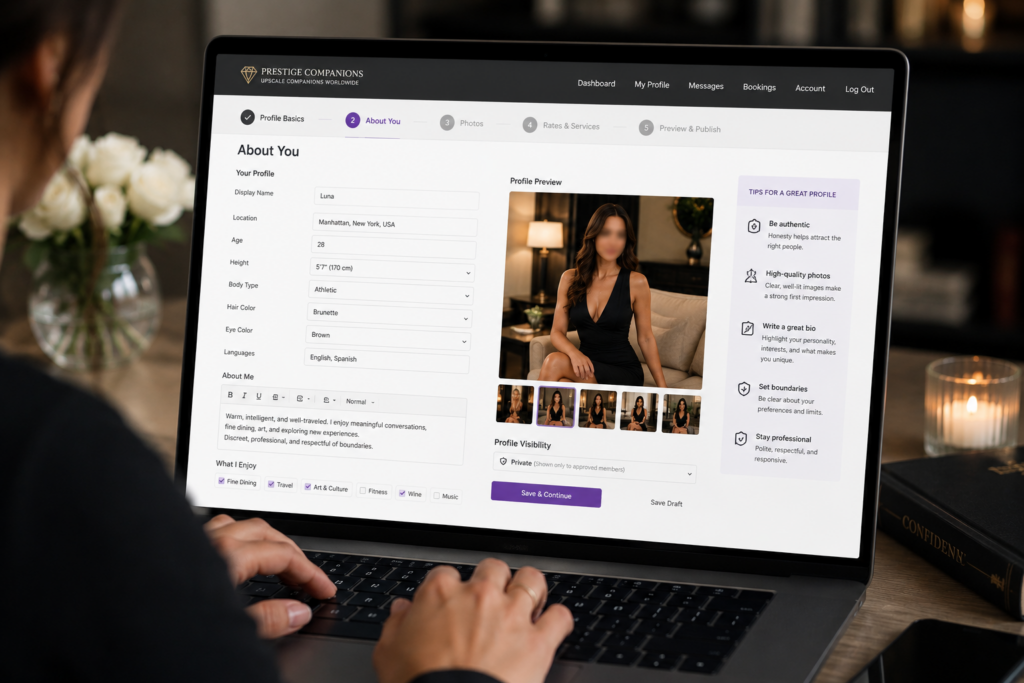
Getting your first listing live on Escorttime is straightforward. Here’s the exact process from start to finish:
Create your account. Go to Escorttime and register with a valid email address. Use a dedicated email that isn’t connected to your personal identity if privacy matters to you.
Select your category. Choose from Female, TS, Male, or Body Rubs. Pick the one that accurately represents your services.
Choose your location. Select Las Vegas as your city, then choose your specific neighborhood or area. This is critical — we’ll cover area selection in detail below.
Upload your photos. Add a minimum of three to five photos. More is better. Variety matters — include at least one full-length shot and one close-up.
Write your profile bio. This is where most people underinvest. Your bio is your sales pitch. Be specific, be clear, and be honest about what you offer and when you’re available.
Add your contact information. Include your preferred contact method — phone number, messaging app, or email.
Select your plan. Choose between free and paid options based on your goals and budget.
Complete verification. Submit your verification documents if you want the verified badge. This step is optional but strongly recommended.
Publish and go live. Review everything before hitting publish. Once live, your listing appears in the Las Vegas search results immediately.
The whole process takes about twenty to thirty minutes if you have your photos ready and your bio written in advance.
Choosing the Right Las Vegas Area for Your Listing
Area selection is one of the most underestimated decisions when you post listing las vegas. Most new providers just select “Las Vegas” as a general location and wonder why they get fewer responses than expected. The reality is that area-specific listings perform significantly better because they appear in neighborhood searches.
Vegas is a geographically large metro. Clients searching for someone near Summerlin aren’t looking at results from North Las Vegas. When you specify your exact area, you show up for the right searches and attract clients who are actually close enough to book.
Here’s a quick breakdown of which areas make sense for which situations:
Strip / Paradise corridor — Best for touring providers or those specifically catering to hotel-based visitors
Winchester — Central location, strong local client base, consistently high browsing traffic
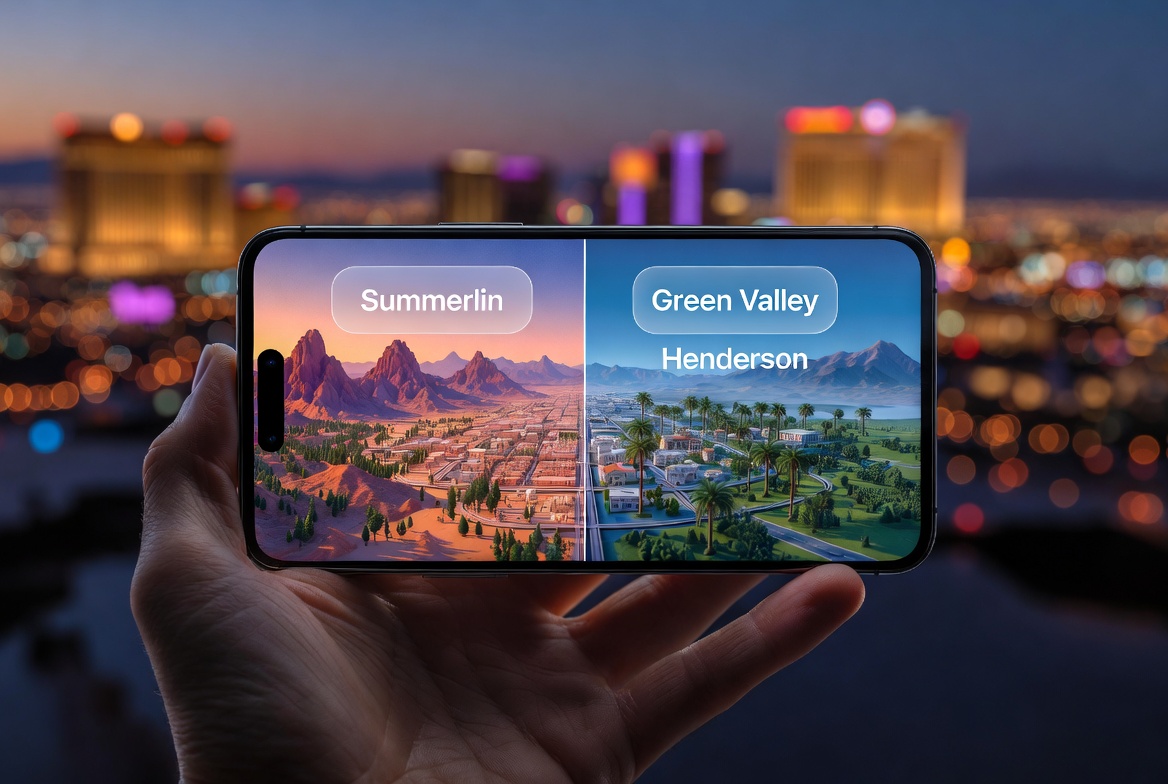
Summerlin — Upscale residential area, repeat local clientele, slightly lower volume but higher quality leads
Henderson / Green Valley — Southeast corridor, growing market, professional local clients
North Las Vegas — Higher volume, broader audience, more competitive at the lower price points
Downtown / Fremont — Visitor-heavy, good for short-term touring providers
If you’re based in the central part of the city and serve clients across multiple areas, Winchester is often the best primary location. The Winchester area listings page consistently sees strong browsing traffic from both locals and visitors, making it one of the most productive areas to list in.
Free vs Paid Plans: What’s Actually Different
This is the question most new providers ask first. The honest answer is that free plans work — but paid plans work significantly better in a high-competition market like Vegas.
What the Free Plan Includes
The free plan on Escorttime lets you:
Create a full profile with photos and bio
List in your chosen Las Vegas area
Appear in standard search results
Receive messages from interested clients
Update your listing content at any time
The free plan is a legitimate way to test the platform and see how it works before committing money. However, it comes with real limitations that matter in a city as competitive as Vegas.
Bump functionality — you can’t push your listing back to the top of search results
Featured status — your listing won’t appear in highlighted or promoted sections
Enhanced visibility during peak periods — weekends and event weeks heavily favor paid listings
Multiple area coverage — free plans typically lock you to one area
In Vegas specifically, the limitation on bumping is the biggest practical issue. Without bumps, your listing slides down the search results as new listings get posted. On a busy Friday evening, a listing that was at the top at 6 PM could be on page three by midnight.
Understanding the Las Vegas Listing Plans
Paid [las vegas listing plans] on Escorttime come in different tiers. Here’s how to think about them:
Basic Paid Plan
The entry-level paid option gives you bump access and standard priority placement. This is the minimum recommended tier for anyone posting in Vegas. It lets you push your listing back to the top of results at strategic intervals — which is essential in a high-volume market.
For providers who are just starting out or testing the Vegas market for the first time, this tier gives you enough tools to compete without a major financial commitment.
Premium Plan
The premium tier adds featured status, which means your listing appears in highlighted sections at the top of search results and potentially on the platform’s front page. In Vegas, featured listings get significantly more clicks than standard ones — simply because they’re seen first.
Premium also typically includes multi-area coverage, which matters if you serve clients across different parts of the metro. Being able to appear in both Winchester and Paradise searches, for example, doubles your potential reach.
Top Tier / VIP Plans
Top tier plans maximize every visibility factor simultaneously. Featured placement, unlimited bumps, priority customer support, and often additional profile customization options. These plans make sense for established providers who rely on Escorttime as their primary booking source and want to dominate their category in the Vegas market.
How to Advertise Vegas Listings Effectively on Any Plan
The plan you choose matters, but so does how you use it. Even a premium plan won’t save a poorly written listing with bad photos. Here’s what actually drives results when you [how to advertise vegas] on Escorttime:
Photos That Actually Work
Vegas clients have seen thousands of listing photos. Generic, over-filtered images don’t cut through the noise. What works:
Natural lighting whenever possible
Multiple angles showing your actual appearance
Recent photos — not shots from two years ago
At least one photo with a clear, recognizable background that signals your Vegas location
A Bio That Does Real Work
Your bio isn’t just a description — it’s your primary communication tool before anyone messages you. A strong Vegas bio includes:
Your specific neighborhood or area
Your availability hours (Vegas operates 24/7 but you don’t have to)
Your preferred contact method
Clear indication of what you offer and what you don’t
A brief personal element that makes you feel like a real person
Avoid copying generic bio templates. Clients in Vegas are experienced browsers. They recognize copy-paste bios instantly and skip past them.
Bumping Strategy
If your plan includes bumps, use them strategically rather than randomly. The best bump times in Vegas are:
Thursday evening — catches the early weekend crowd arriving
Friday mid-morning — visitors are planning their Friday night
Saturday morning — peak browsing window before evening demand spikes
Bumping at 3 AM on a Tuesday wastes the opportunity. Time your bumps to hit when actual browsers are active.
Verification: Why It’s Worth Doing Before You Go Live
Verification is technically optional but practically essential in Vegas. The Las Vegas listings page shows a clear visual distinction between verified and unverified profiles. Experienced clients filter to verified-only as their first step, which means unverified profiles get skipped entirely by a significant portion of potential clients.
The verification process on Escorttime involves submitting a photo that matches your profile and confirming your contact details. It typically takes twenty-four to forty-eight hours to complete. Because it’s processed before your listing goes fully live, it’s worth doing during the initial setup rather than adding it later.
Also, verified status affects your search ranking. Escorttime’s algorithm gives priority to verified listings in search results, which means verification effectively functions as a free visibility boost on top of whatever plan you’re on.
Posting Guide Las Vegas: Privacy Considerations for Providers
Many providers in Vegas have legitimate reasons to keep their listing separate from their personal identity. Before you post, take a few minutes to think through the privacy side of your setup.
Use a dedicated email address for your Escorttime account. Don’t use the same email you use for personal or professional correspondence. Similarly, consider using a secondary phone number for client communication — apps like Google Voice or Hushed create a separate number that keeps your personal number private.
For clients who are equally concerned about their own privacy, the guide on how to browse las vegas listings privately covers the client-side of privacy in detail. Understanding how your clients approach discretion can actually help you write a more appealing bio that addresses their concerns directly.
Common Mistakes New Las Vegas Providers Make
Learning from other people’s mistakes saves you time and money. Here are the most common errors when posting in Vegas for the first time:
Choosing the wrong area. Selecting “Las Vegas” as a general location instead of a specific neighborhood means you miss area-specific searches.
Starting with the free plan during peak periods. Launching during a major event week without paid visibility means your listing gets buried immediately.
Skipping verification. Going live without verification cuts you off from a large percentage of serious clients who filter by verified status.
Uploading too few photos. Three photos minimum — five to eight is the sweet spot for Vegas listings.
Writing a vague bio. “I’m fun and friendly” tells clients nothing. Specific, honest bios convert dramatically better.
Not bumping strategically. Bumping at random times wastes your bump credits on low-traffic windows.
Using personal contact details. Mixing personal and professional contact information creates privacy risks and looks unprofessional.
How to Post Listing Las Vegas
The process to post listing las vegas is simple but doing it well takes a bit of thought and strategy. Choose your area carefully, invest in quality photos, write a bio that actually communicates something real, and select a plan that matches the level of visibility you need.
Vegas is one of the most rewarding markets to post in because the demand never stops. However, it rewards providers who put genuine effort into their listings. A well-optimized profile on the right plan can generate consistent bookings week after week in this city.
Take the time to set it up properly from day one. The difference between a listing that gets results and one that sits unnoticed comes down to exactly the details covered in this guide.
Frequently Asked Questions
How long does it take for a new Las Vegas listing to go live on Escorttime?
Standard listings go live within a few hours of submission. If you’ve applied for verification at the same time, the full verified listing typically appears within twenty-four to forty-eight hours once verification is approved.
Can I post a listing in multiple Las Vegas areas on a free plan?
Most free plans limit you to a single area. To appear in multiple neighborhood searches — for example, both Summerlin and Winchester — you generally need a paid plan that includes multi-area coverage.
Is the free plan worth using in Las Vegas or should I go straight to paid?
The free plan is worth using to test the platform and get familiar with how it works. However, for serious visibility in a competitive market like Vegas, upgrading to at least the basic paid tier gives you bump access and better placement, which makes a meaningful difference in results.
How many photos should I include in my Las Vegas listing?
Five to eight photos is the optimal range for Vegas listings. More than that can feel excessive. Fewer than three gives clients too little to evaluate. Include a variety of angles and ensure at least some photos are recent and clearly represent your current appearance.
Does verification really make a difference in how many people see my listing?
Yes, significantly. Verified listings receive priority placement in Escorttime’s search algorithm. Also, a large percentage of experienced clients in Vegas filter their search to verified-only, meaning unverified listings simply don’t appear in their results at all.
Privacy matters. Whether you’re a business traveler staying at the Wynn, a local in Summerlin who values discretion, or a first-time visitor who simply doesn’t want their browsing history exposed, knowing how to browse Las Vegas listings privately is a practical skill. It’s not about hiding anything shameful it’s about maintaining control over your personal information in a city that never stops watching.
Vegas is full of cameras, shared networks, and digital footprints that most people don’t think about until it’s too late. This guide covers everything you need to know about private browsing in 2026. from basic device settings to advanced privacy tools that actually work in a real-world Vegas environment.
Why Privacy Matters More in Las Vegas Than Other Cities
Las Vegas is uniquely risky from a digital privacy standpoint. The city’s infrastructure is built around hospitality, which means shared networks are everywhere. Casino WiFi, hotel broadband, resort lobby hotspots all of these are monitored, logged, and sometimes actively scanned for security purposes.
Most visitors don’t realize that browsing on hotel WiFi is essentially browsing in public. Network administrators can see which sites you visit, when you visit them, and how long you spend there. That information gets logged automatically and stored for varying periods depending on the property’s data retention policies.
Also, Vegas attracts a high concentration of people in professional or public-facing roles executives, politicians, entertainers, athletes who have legitimate reasons to keep their personal activities completely separate from their professional identity. Knowing how to browse las vegas listings privately isn’t paranoia. It’s basic digital hygiene.
Start With the Basics: Private Browsing Mode
Before anything else, enable private browsing mode on whatever device you’re using. On Safari it’s called Private. On Chrome it’s Incognito. On Firefox it’s Private Window. Every major browser has this feature, and it takes five seconds to activate.
Private browsing mode stops your browser from saving your history, cookies, and form data locally on your device. So if someone picks up your phone or laptop after you’re done, they won’t see where you’ve been. However and this is important private mode does NOT hide your activity from the network you’re connected to or from your internet service provider.
Private mode handles the device side of privacy. You need additional tools to handle the network side. Think of it as locking your hotel room door it keeps casual intruders out, but it doesn’t stop the hotel from knowing you’re there.
Use a VPN: The Single Most Effective Privacy Tool
A VPN Virtual Private Network encrypts your internet traffic and routes it through a server in a different location. When you browse with a VPN active, the hotel network or casino WiFi sees encrypted data going to a VPN server. It can’t see which websites you’re actually visiting.
For anyone who wants to browse Las Vegas listings privately in 2026, a VPN is non-negotiable. The good news is that quality VPNs are affordable and easy to use. You don’t need to be technical to set one up.
Which VPNs Actually Work in Vegas
Not all VPNs are equal. Some are slow, some log your data themselves, and some get blocked by certain platforms. Here are the characteristics of a reliable VPN for Vegas browsing:
No-logs policy — the VPN provider doesn’t store records of your activity
Fast connection speeds — slow VPNs make browsing frustrating
US server options — connecting to a US server keeps platform geo-restrictions from triggering
Mobile app available — most Vegas browsing happens on phones, so mobile compatibility matters
Reputable provider — NordVPN, ExpressVPN, and Mullvad are consistently reliable options
Avoid free VPNs completely. Free VPN services typically monetize your data which is the exact opposite of what you’re trying to achieve. A quality VPN costs less than a casino cocktail per month and is worth every dollar.
Never Browse on Public or Hotel WiFi Without Protection
This point deserves its own section because so many people get this wrong. Hotel WiFi in Las Vegas even at luxury properties like the Bellagio, MGM Grand, or Caesars is a shared network. Shared networks carry inherent risks.
Beyond the logging issue, public networks are also prime targets for man-in-the-middle attacks. A bad actor on the same network can potentially intercept unencrypted traffic. This isn’t just theoretical it’s a documented reality in high-traffic public environments.
The safest option is to use your phone’s mobile data connection instead of hotel WiFi for any sensitive browsing. Your carrier’s 4G or 5G connection is encrypted by default and far more private than any shared hotel network. If mobile data is limited, activate your VPN before connecting to hotel WiFi and keep it running throughout your session.
Protect Your Identity When Communicating
Browsing privately is one thing. Communicating privately takes an additional layer of thought. When you find a listing you want to contact, the way you reach out matters as much as how you found them.
Here are the key las vegas discretion tips for private communication:
Use a secondary phone number. Apps like Google Voice, Hushed, or Burner let you create a separate number that isn’t linked to your real identity. This keeps your personal number completely out of the equation.
Avoid using your real name. Most interactions on classified platforms don’t require your full legal name. Use a first name only or a simple alias.
Don’t link your primary email. Create a separate email address specifically for platform communication. Gmail and ProtonMail both let you create accounts without much personal information.
Use messaging apps with encryption. Signal is the gold standard for encrypted messaging. Telegram offers end-to-end encryption in its Secret Chat mode.
Don’t send personal photos. This sounds obvious but it’s worth stating. Any photo that contains metadata, background details, or identifying features compromises your privacy.
Browse Las Vegas Listings Privately on Mobile: Specific Steps
Most people browse on their phones while in Vegas. Here’s the exact setup for private mobile browsing in 2026:
Enable mobile data — turn off WiFi entirely for the browsing session
Open your VPN app — connect to a US server before opening any browser
Open your browser in private/incognito mode — Safari Private or Chrome Incognito
Browse your target site — for example, check the las vegas listings guide for area-specific navigation
Close all private tabs when done — don’t leave them open in the background
Disconnect VPN after session — keep your data usage clean
This five-step process takes less than two minutes to set up and protects you at every layer. Device, network, and session history are all covered.
Anonymous Browsing Listings: What Platforms Can Still See
Even with a VPN and private mode active, platforms themselves collect certain data when you browse. Understanding this is part of complete anonymous browsing listings awareness.
Here’s what Escorttime and similar platforms can see regardless of your VPN:
Your approximate location — based on IP address, though VPN masks your real IP
Device type and browser — platforms log basic device fingerprints
Time and duration of visit — session data is standard analytics
Which pages you viewed — navigation paths are logged for UX purposes
Here’s what they cannot see with a VPN active:
Your real IP address — the VPN server IP shows instead
Your identity — unless you’ve created an account with personal details
Your physical location — VPN masks this effectively
For most browsing purposes, this level of privacy is more than sufficient. If you want maximum anonymity, browse without creating an account whenever possible. You can view Las Vegas listings and browse profiles without logging in, which eliminates any account-linked data trail entirely.
The Vegas Privacy Guide for Business Travelers
Business travelers in Vegas face a specific privacy challenge. Their devices are often managed by corporate IT departments, which means company-issued phones or laptops may have monitoring software installed. Browsing on a work device is never private regardless of what tools you use.
The solution is simple. Keep a clear separation between work and personal devices. Use your personal phone with mobile data for any private browsing. Never use a work laptop or a work email for anything related to classified platform browsing.
Also, be aware of corporate expense cards. Using a business card for any platform subscription or service creates a paper trail that goes directly to your company’s finance system. Use a personal payment method for anything related to personal browsing activities.
How to Handle Platform Accounts Discreetly
If you choose to create an account on Escorttime or any similar platform, keep the account details completely separate from your regular digital identity.
Practical steps for a discreet platform account:
Use a dedicated email address created specifically for this purpose
Choose a username that doesn’t reference your real name, location, or employer
Don’t connect social media accounts — many platforms offer social login options, avoid them
Use a payment method that doesn’t display on shared statements
Log out completely after every session rather than staying logged in
Also, review the platform’s privacy policy before creating an account. Understand what data they collect, how long they retain it, and whether they share it with third parties. Reputable platforms have clear, accessible privacy policies if you can’t find one easily, that’s a red flag in itself.
Private Browsing and Safety Go Together
Privacy and safety aren’t separate concerns — they support each other. When you browse privately, you reduce your exposure to scammers who track browsing patterns and target vulnerable users. When you communicate through secure channels, you protect yourself from phishing and social engineering attempts.
For a complete picture of what to watch out for while browsing, the safety and red flags guide covers the specific warning signs that indicate fake or dangerous listings. Combining that knowledge with solid privacy practices gives you the strongest possible protection on both fronts.
The vegas privacy guide approach isn’t about paranoia it’s about being a smart, informed user in a market that has real risks alongside its real opportunities.
Common Privacy Mistakes Vegas Visitors Make
Even people who think they’re being careful make these mistakes regularly:
Browsing on casino floor WiFi. Casino networks are among the most heavily monitored in the city. Never use them for anything sensitive.
Leaving browser tabs open. An open incognito tab in the background is still visible to anyone who picks up your device.
Using the same phone number for everything. Your primary number connects to your real identity. Get a secondary number for platform communication.
Forgetting about screenshot metadata. Screenshots taken on iPhones include location data by default. Disable location services for your camera if you’re sharing images.
Trusting hotel room TVs. Modern smart TVs have browsers and voice recognition. Don’t use them for any browsing, ever.
Not logging out. Staying logged into platform accounts on a shared device is an obvious but common mistake.
Final Thoughts on How to Browse Las Vegas Listings Privately
The tools and habits needed to browse las vegas listings privately in 2026 are more accessible than ever. A quality VPN, a secondary phone number, private browser mode, and mobile data over hotel WiFi covers the vast majority of privacy needs for any Vegas visitor or local.
Privacy isn’t about doing anything wrong. It’s about maintaining control over your personal information in a city that generates enormous amounts of data about every person who passes through it. Take ten minutes to set up your privacy stack before you start browsing. That small investment protects you for the entire trip.
Vegas is one of the best cities in the world for this type of browsing as long as you do it right.
Frequently Asked Questions
Does private browsing mode actually keep my Las Vegas browsing private?
Partially, Private mode stops your device from saving browsing history locally. However, it does not hide your activity from the network you’re connected to. Use a VPN alongside private mode for complete protection on both the device and network levels.
Is it safe to browse Las Vegas listings on hotel WiFi?
No, not without a VPN active. Hotel networks log traffic and are shared with other guests. Always connect your VPN before using hotel WiFi for any sensitive browsing, or use your phone’s mobile data connection instead.
Do I need to create an account to browse Las Vegas listings on Escorttime?
No, You can browse profiles and view listings without creating an account. Browsing without logging in removes any account-linked data trail, which is the most private way to use the platform.
What’s the best secondary phone number app for communicating discreetly in Vegas?
Google Voice, Hushed, and Burner are the three most reliable options in 2026. Google Voice is free but requires a Google account. Hushed and Burner offer more complete separation from your real identity and cost a few dollars per month.
Can Escorttime see my real location even when I use a VPN?
With a VPN active, Escorttime sees the IP address of the VPN server rather than your real IP. This masks your actual physical location effectively. However, if you’ve created an account with your real address or payment details, that information is already associated with your profile regardless of VPN use.
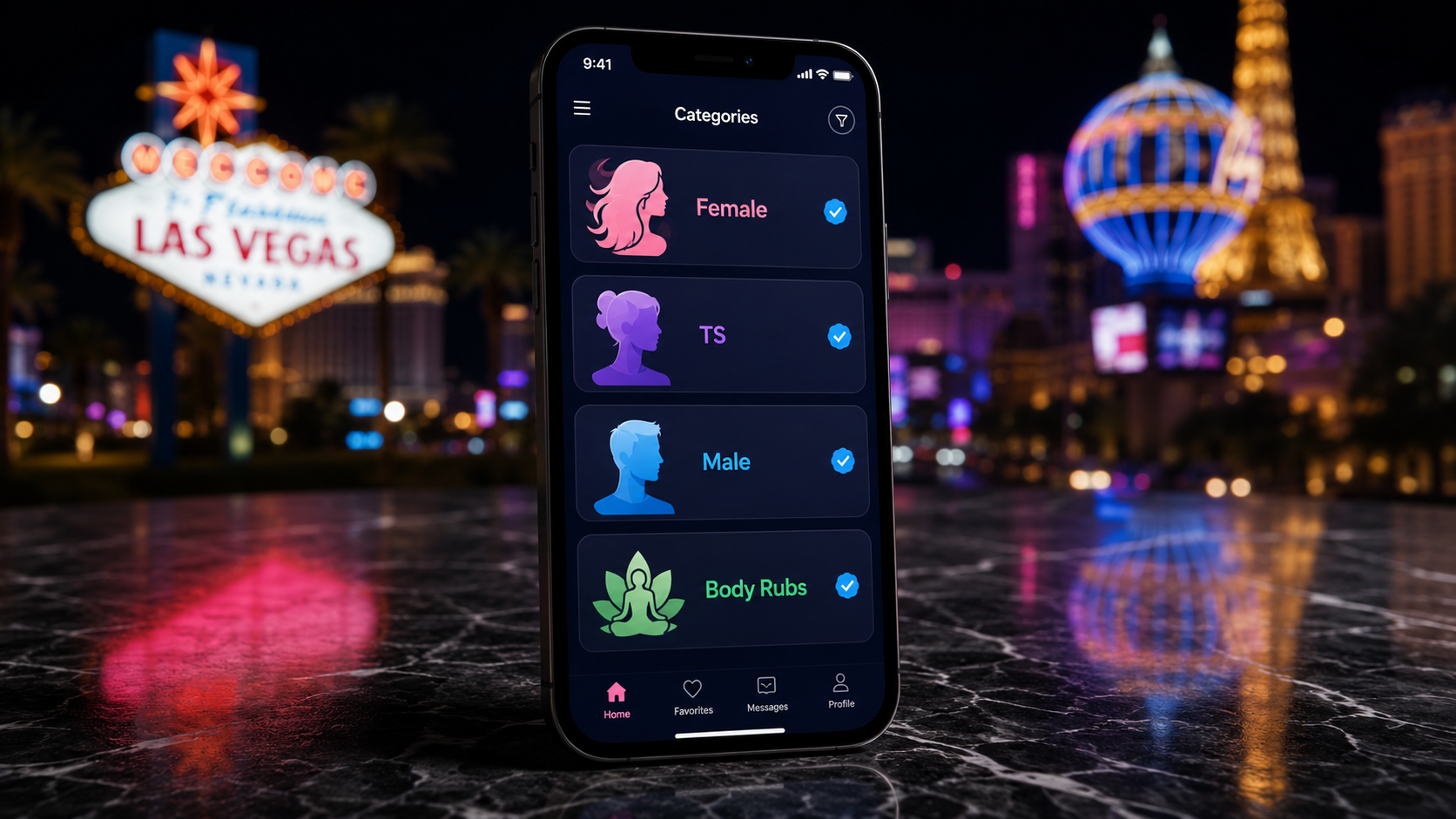
Las Vegas has one of the most diverse classified listing ecosystems in the country. The las vegas listing categories on Escorttime cover a wider range of options than most cities — and knowing how each category works before you start browsing saves you a lot of time and confusion. Whether you’re looking for female escorts vegas, TS listings, male companions, or body rub services, each category has its own dynamics, volume patterns, and browsing considerations.
This guide breaks down every major category available in Vegas. We’ll cover what to expect in terms of volume, verification rates, pricing norms, and area distribution. No guessing, no surprises.
Why Las Vegas Has More Category Diversity Than Other Cities
Most mid-size American cities have a fairly narrow listing ecosystem. Vegas is different. The combination of forty million annual visitors, a massive local population, and a culture that genuinely embraces adult entertainment creates demand across every category imaginable.
As a result, platforms serving Vegas maintain active listings across female, TS, male, couples, and body rub categories simultaneously. Each category stays populated year-round rather than having seasonal gaps. That’s rare in the classified space and makes Vegas one of the most complete browsing markets in the country.
However, the categories are not equal in size. Female listings dominate by volume. TS listings have grown significantly in recent years. Male listings exist but are smaller. Body rubs and massage categories have their own distinct ecosystem. Understanding these differences helps you set realistic expectations before you start.
Female Listings Las Vegas: The Largest Category by Far
Female escorts vegas listings make up the majority of active profiles on Escorttime’s Las Vegas section. The volume here is substantial — consistently the highest of any category, any day of the week. Because of that volume, the browsing experience requires more filtering than any other section.
The female category in Vegas breaks down into a few distinct sub-types that experienced browsers recognize quickly.
Independent Providers
Independent female providers make up a large portion of the category. They manage their own listings, set their own rates, and handle their own scheduling. Because they work for themselves, communication is usually direct and efficient. Independents tend to have more detailed profiles because their listing is their primary marketing tool.
Also, independents in Vegas are often area-specific. You’ll find clusters of well-established independent providers in Summerlin, Green Valley, and Paradise. Each area has its own character, and the providers based there often reflect that vibe in their profiles and approach.
Touring Female Providers
A significant percentage of female listings in Vegas are touring providers — women who travel to the city for short windows, often timed around major events or peak visitor seasons. Touring profiles are common, legitimate, and often high-quality. However, they require time-sensitive browsing. If someone is only in town for five days, you need to act quickly.
Agency-Represented Female Listings
Some female listings in Vegas operate through agencies. Agency profiles often look more polished, with professional photography and standardized descriptions. However, the communication goes through a third party rather than the provider directly. This adds a layer between you and the actual person, which some people prefer and others don’t.
TS Listings Las Vegas: A Growing and Active Category
The TS category in Las Vegas has expanded considerably. It’s now one of the more active sections on the platform, with consistent daily posting and a strong verified listing rate. Vegas has always been a city with a progressive, open-minded culture — and the TS listing market reflects that.
Las Vegas listings in the TS category tend to have some specific characteristics worth knowing.
Volume and Distribution
TS listings concentrate heavily in the Paradise and Winchester corridors — the central zones closest to the Strip. You’ll also find solid TS listing activity in the Downtown area and parts of East Las Vegas. Residential areas like Summerlin have lower TS listing volume compared to the central zones.
Verification Rates in TS Listings
The TS category in Vegas has a strong verification rate relative to its size. Many TS providers actively seek verified status because it helps them stand out in a competitive section. As a result, filtering to verified-only in the TS category still leaves you with a meaningful selection of genuine, active profiles.
Pricing in the TS Category
TS listings in Vegas generally sit in a similar price range to female listings. Premium providers in this category can charge higher rates, particularly those with established review histories and long-term platform presence. Don’t expect bargain rates in this section — quality TS providers know their market value.
Male Listings Vegas: Smaller Volume, Specific Audience
Male listings in Las Vegas exist but represent a significantly smaller portion of overall platform activity. The [vegas category guide] for male listings is straightforward — smaller total volume, specific clientele, and a different browsing dynamic than the female or TS categories.
Male providers in Vegas primarily serve female clients and gay or bisexual male clients. The market is there, but it’s nowhere near the size of the female category. Because volume is lower, individual profiles tend to get more visibility per listing. A well-maintained male listing in Vegas stands out more easily than it would in the crowded female section.
What to Expect When Browsing Male Listings
Here’s what the male category typically looks like on Escorttime Vegas:
Lower total listing count — expect dozens rather than hundreds of active profiles
Higher percentage of independents — agencies rarely represent male providers in Vegas
Similar verification process — verified badges apply the same way across all categories
Area distribution — male listings concentrate in Paradise, Winchester, and the Strip corridor
Response patterns — generally faster responses due to lower overall message volume per provider
If you’re browsing the male category, the filtering process is simpler because you’re working with a smaller pool from the start. Focus on verified profiles, check activity dates, and read bios carefully for location and availability info.
Body Rubs Vegas: A Distinct Category With Its Own Rules
Body rubs and massage listings operate as a separate category on most Vegas platforms, and for good reason. The service type, the communication style, and the browsing experience all differ from escort categories.
[Body rubs vegas] listings are technically classified under wellness or massage services on many platforms. However, they appear on classified sites because the providers are independent practitioners rather than licensed spa employees. The distinction matters for how you approach and communicate with these listings.
Volume in the Body Rub Category
Body rub listings in Vegas are active and consistent. The category sees steady posting throughout the week, with slightly higher activity during weekday hours than weekends. Because the service is more appointment-based than on-demand, mid-week browsing works particularly well for this category.
Area Distribution for Body Rubs
Body rub listings spread more evenly across the metro than escort categories. You’ll find active listings in Summerlin, Henderson, Paradise, and the Strip corridor. For the west valley specifically, checking Summerlin area listings often turns up solid body rub options alongside other service categories.
Communication Approach for Body Rub Listings
Body rub providers typically respond best to clear, appointment-style communication. State your preferred time, your location or theirs, and your specific preferences upfront. Unlike some escort categories where a brief intro message works, body rub providers appreciate more structured booking requests.
How Las Vegas Listing Categories Compare Side by Side
Here’s a direct comparison across the main categories for anyone who wants a quick reference:
Category
Volume
Verified Rate
Price Range
Best Areas
Female
Very High
Moderate
Varies widely
All areas
TS
Medium-High
High
Mid to Premium
Paradise, Winchester
Male
Low
Moderate
Mid range
Paradise, Strip
Body Rubs
Medium
Moderate
Lower to Mid
Citywide
Couples
Low
Low
Premium
Strip corridor
This comparison shows why filtering strategy differs by category. Female listings need heavy filtering because volume is so high. Male listings need less filtering because the pool is naturally smaller. TS listings benefit most from verification filtering because the verified rate is high enough to still leave solid options.
Navigating Multiple Categories in One Browsing Session
Some browsers want to compare across categories rather than committing to one. Vegas is a good city for this because all major categories stay active simultaneously. However, cross-category browsing requires a clear strategy.
Here’s how to approach it effectively:
Start with your primary category. Don’t open all categories at once. Browse your main preference first and shortlist three to five profiles.
Then check one secondary category. If you want to compare, open one alternative category and apply the same filters.
Don’t mix more than two categories per session. Decision fatigue hits fast when you’re comparing across fundamentally different service types.
Use area as your consistent filter. Keep the same area filter active across both categories so you’re comparing options at similar travel distances.
Check Las Vegas active listings for the most current cross-category view. The main city page lets you see overall activity before diving into specific categories.
Which Category Has the Best Verified Listing Rate in Vegas
Across all las vegas listing categories, the TS section consistently shows the highest verification rate relative to its total size. This is partly because TS providers face more skepticism from browsers and actively pursue verification to counter it.
Female listings have the highest absolute number of verified profiles simply because the category is so much larger. However, as a percentage of total listings, TS verification rates are impressive.
Male listings have moderate verification rates. Body rub listings vary — some platforms treat this category differently in terms of verification requirements, so you’ll see more inconsistency here than in escort categories.
Final Thoughts on Las Vegas Listing Categories
Understanding the las vegas listing categories before you browse isn’t just helpful — it’s the difference between a productive session and an hour of confusion. Each category has distinct volume patterns, verification rates, pricing norms, and geographic distribution.
Female listings give you the most options but require the most filtering. TS listings offer a well-verified, active selection concentrated in central Vegas. Male listings are smaller but move faster per profile. Body rubs spread evenly across the metro and respond best to structured communication.
Pick your category intentionally, apply your filters immediately, and browse with a clear goal in mind. Vegas has something active in every category every day of the week — you just need to know where to look.
Frequently Asked Questions
Which listing category is most active in Las Vegas?
Female listings are by far the most active category in Vegas by total volume. However, TS listings have the highest verification rate relative to category size, making them arguably easier to browse efficiently.
Are TS listings in Las Vegas easy to find on Escorttime?
Yes. The TS category on Escorttime’s Las Vegas section is well-populated and actively maintained. Filter to verified profiles and sort by recently active for the best results. Paradise and Winchester have the highest concentration of TS listings.
Do male listings in Las Vegas serve both female and male clients?
Most male providers in Vegas serve both female and gay or bisexual male clients. Their profiles usually specify their preferred clientele in the bio text. Read the full profile before messaging to ensure you’re the right fit for their services.
What’s the difference between a body rub listing and an escort listing in Vegas?
Body rub listings focus specifically on massage and physical relaxation services. Escort listings cover companionship and social experiences more broadly. They appear on the same platforms but in separate categories with different communication norms and pricing structures.
Can I filter by category and area at the same time on Escorttime?
Yes. Escorttime allows you to apply both a category filter and a neighborhood filter simultaneously. This is the most efficient way to browse — select your category first, then narrow by area to see only relevant local profiles.
Timing matters more than most people realize when browsing Las Vegas listings. You can have the perfect filter setup, a clear idea of what you want, and still get nowhere simply because you’re browsing at the wrong time. Knowing the best time to browse Las Vegas listings isn’t about luck. It’s about understanding how this city actually operates and how that affects platform traffic, provider availability, and response rates.
Vegas runs on a completely different clock than every other American city. The rhythms here don’t follow normal Monday-to-Friday logic. Because of that, the standard advice about “browse during business hours” doesn’t apply. This guide breaks down exactly when to search, when to avoid, and why the timing difference is bigger than you’d expect.
Why Timing Affects Your Las Vegas Browsing Results
Most people assume listings work the same way regardless of when you browse. That’s not true in Vegas. The platform activity here fluctuates dramatically based on day of the week, time of day, and even the specific events happening in the city that week.
Provider availability drives everything. When providers are busy which happens heavily on weekends response times drop, availability windows shrink, and competition from other browsers increases. When providers are less busy typically mid-week mornings you get faster responses, more flexible scheduling, and a generally smoother experience.
Also, the listing feed itself changes throughout the day. New profiles get posted, old ones get bumped, and active providers update their status throughout their working hours. Browsing when that activity peaks means you’re seeing the most current, most accurate version of the platform.
The Weekend Reality: High Traffic, Lower Response Rates
Friday night through Sunday evening is the busiest window on any Las Vegas listing platform. The city fills up with visitors, bachelor and bachelorette parties flood the Strip, and demand spikes across every category. For vegas listing traffic, this is peak season every single week.
Here’s the problem. High demand doesn’t mean a better browsing experience. It usually means the opposite. Providers who are in high demand get flooded with messages and can afford to be selective. Your message is competing with dozens of others arriving at the same time. Response rates on Friday and Saturday nights are actually among the lowest of the entire week.
However, weekends aren’t completely off the table. They just require a different strategy. If you want to browse on a weekend, the early morning window between 9 AM and noon is significantly better than evening. Many providers are still getting set up for their day, competition from other browsers is lower, and responses come through much faster than they would at 10 PM.
Saturday Night: The Worst Window for New Contacts
Saturday night between 9 PM and 2 AM is the single most competitive browsing window in Vegas. Every visitor who arrived for the weekend is looking at the same time. Providers are at maximum capacity, responses are slowest, and the percentage of last-minute “ghost” situations peaks during this window.
If you absolutely must browse on Saturday night, focus exclusively on Las Vegas active listings that were updated within the last two hours. Anyone who hasn’t bumped their listing recently is likely already booked or unavailable. Don’t waste time on stale profiles during peak hours.
Weekday Browsing: The Hidden Advantage Most People Miss
Tuesday, Wednesday, and Thursday are the sweet spot for Las Vegas listing browsing. This isn’t intuitive for visitors who only think about the city in weekend terms. However, for locals and frequent visitors who know the market, mid-week browsing is a completely different experience.
Here’s what changes during the week:
Response times drop significantly. Mid-week messages often get replies within minutes rather than hours.
Availability opens up. Providers who were booked solid on the weekend have open slots they want to fill.
Competition is lower. You’re not fighting with a hundred other people for the same provider’s attention.
Pricing can be more flexible. Some providers offer mid-week rates or are more open to specific scheduling conversations.
New listings appear. Many providers post fresh listings at the start of the week to capture mid-week traffic.
For anyone who has flexibility in their schedule, shifting your browsing to mid-week is the single highest-impact change you can make. The same amount of effort produces dramatically better results just by shifting two or three days.
Best Time to Browse Las Vegas Listings by Day
Here’s a practical breakdown of each day and what to expect when you search:
Monday
Monday is a transition day. The weekend crowd has cleared out, and the city is in recovery mode. Provider activity picks back up by afternoon. Morning browsing on Monday is hit-or-miss. However, by 2 PM to 8 PM, things are moving again and response rates start climbing.
Tuesday and Wednesday
These are consistently the best days. When to browse vegas for the most responsive, available, and engaged providers Tuesday and Wednesday afternoons are your answer. Both days see high platform activity with low client competition. Mid-morning through early evening is peak quality time on these days.
Thursday
Thursday starts picking up as the early weekend crowd begins arriving. It’s still a good browsing day, especially in the morning. By Thursday evening, you start seeing the weekend surge beginning, particularly near the Strip and Paradise corridor.
Friday
Friday is a split day. Morning and early afternoon are still solid. By 5 PM, the weekend surge kicks in and response rates start sliding. If you’re browsing on Friday, do it before noon for the best experience.
Saturday
Saturday is high volume, low efficiency. If you’re a visitor who only has Saturday available, browse early before 11 AM ideally. Evening browsing on Saturday almost always leads to frustration unless you already have an established contact.
Sunday
Sunday has an interesting dynamic. Early Sunday morning (before noon) is actually surprisingly good. Many providers have cleared their weekend bookings and are available for daytime Sunday appointments. Sunday evening drops off sharply as the city winds down for the week.
How Event Weeks Change Everything
Vegas hosts major events that completely override the normal weekly patterns. During these windows, even mid-week browsing feels like a Saturday night. Knowing the calendar matters.
Events that spike listing traffic beyond normal levels:
CES (January) — Massive business travel surge, mid-week demand explodes
NBA All-Star Weekend — Full city capacity, all patterns go out the window
March Madness — Extended high-traffic period across multiple weekends
SEMA (November) — Auto industry week, enormous professional travel demand
New Year’s Eve — Single highest-demand night of the year, book days ahead
Major boxing or UFC events — T-Mobile Arena fight nights create huge same-day spikes
EDM festival weekends — Dayclub and nightclub events bring massive visitor surges
During any of these events, treat the entire week like a Saturday night. Browse at least one to two days ahead of when you actually want to connect. Same-day browsing during event weeks almost never works for anyone who hasn’t already established contact.
Time of Day Breakdown: When to Browse Vegas for Best Results
Beyond the day of the week, the specific hour you browse makes a measurable difference. Here’s how the day breaks down in terms of browsing quality:
6 AM – 9 AM: Very quiet. Most providers aren’t active yet. Not recommended unless you’re messaging someone you’ve already spoken to.
9 AM – 12 PM: Best window of the day. Providers are starting their day, competition is low, and responses come quickly. This is the golden hour for first-time outreach.
12 PM – 3 PM: Still solid. Activity picks up gradually. Good for browsing and comparing options before committing.
3 PM – 6 PM: Good mid-afternoon window. Most providers are active. Competition starts increasing but is still manageable.
6 PM – 9 PM: Peak demand window begins. Still productive but you’re competing with significantly more browsers. Response times extend.
9 PM – 12 AM: High competition, slower responses, highest risk of “no shows” or last-minute cancellations. Only browse here if you have no other option.
12 AM – 6 AM: Late night browsing exists in Vegas unlike most cities. However, it’s primarily touring providers and short-window availability. Quality filtering matters even more at this hour.
Area-Specific Timing Differences
Not every Las Vegas neighborhood follows the same traffic pattern. Understanding these area differences helps you pick both the right time and the right location when you browse by area.
Strip and Paradise: Highest traffic volume, most active late night, most competitive at all hours. Best browsed early morning on weekdays.
Summerlin: More residential schedule. Providers here tend to be most active mid-morning through early evening. Late-night availability is lower than central Vegas zones.
Green Valley / Henderson: Similar to Summerlin in schedule. Mid-week mornings are particularly productive. Weekend spikes are lower than the Strip corridor.
Winchester: Central location means mixed timing patterns. Active throughout the day but busiest in the evening hours.
North Las Vegas: Lower overall volume means timing matters less here. Most hours produce similar results because competition is lower across the board.
How to Combine Timing With Smart Browsing
Timing works best when combined with the right browsing habits. If you’re using peak hours, compensate by applying stronger filters verified only, recently active, specific area. This narrows the pool quickly even when overall traffic is high.
If you’re using off-peak hours, you can afford to be a bit broader in your search because the competition isn’t there to outpace you. Mid-week mornings are when you can take your time, read full profiles, and make a considered decision rather than a rushed one.
Also, if you’re new to the platform, start with first time tips before worrying too much about timing optimization. Getting your filter strategy and communication approach right matters more than perfect timing for a first-time browser.
Las Vegas Peak Hours: A Quick Reference Guide
Here’s a simple reference for [las vegas peak hours] when browsing:
Best Times (Low Competition, High Response):
Tuesday 9 AM – 3 PM
Wednesday 9 AM – 3 PM
Thursday 9 AM – 12 PM
Sunday 8 AM – 11 AM
Avoid If Possible (High Competition, Low Response):
Friday 8 PM – 2 AM
Saturday 6 PM – 2 AM
Any event week evening
New Year’s Eve and the surrounding days
Situational (Depends on Your Area and Goals):
Monday afternoon
Thursday evening
Sunday afternoon
Final Thoughts on the Best Time to Browse Las Vegas Listings
The best time to browse Las Vegas listings is mid-week morning Tuesday or Wednesday between 9 AM and noon. That’s the consistent answer regardless of your neighborhood, your budget, or your specific preferences. Everything else is a compromise of some kind.
Understanding [weekend vs weekday listings] traffic patterns turns browsing from a frustrating lottery into a manageable, predictable process. You’re not at the mercy of the platform anymore. You’re working with the natural rhythms of the city instead of against them.
Plan ahead. Browse early. Avoid Saturday nights unless you have no choice. Vegas rewards people who understand how it actually operates rather than how they assume it should work.
Frequently Asked Questions
Is it really worth waiting for a weekday to browse Las Vegas listings?
Yes, genuinely. The difference in response rates between a Tuesday morning and a Saturday night is dramatic often the difference between same-day results and no results at all. If you have any flexibility in your schedule, mid-week browsing pays off every time.
What happens to listings during major Vegas events like CES or fight weekends?
Demand spikes to weekend levels across the entire week. Response times slow, availability shrinks, and competition increases significantly. During major events, browse at least one to two days ahead and expect to pay standard rates without flexibility.
Do providers in Summerlin and Henderson follow the same timing patterns as the Strip?
Not exactly. Residential areas like Summerlin and Green Valley tend to follow more traditional daytime hours. Late-night availability is lower there. For evening or late-night browsing, central zones like Paradise and Winchester have more active profiles.
What’s the single best hour of the entire week to browse Las Vegas listings?
Tuesday morning between 10 AM and noon consistently produces the best results. Low competition, high provider availability, fast response times, and fresh weekly listings combine to make it the optimal browsing window.
Should I browse differently during holiday weekends in Las Vegas?
Absolutely. Major holiday weekends Memorial Day, Labor Day, Fourth of July, New Year’s behave like the busiest Saturday nights amplified. Browse two to three days ahead, secure your contact early, and confirm the day before. Last-minute holiday weekend browsing almost never works.
Becoming an escort is a significant decision that comes with financial opportunities, personal challenges, and important safety considerations. Whether you’re exploring this career for financial independence, flexible scheduling, or other personal reasons, you need practical information beyond what most articles provide.
This guide walks you through everything from understanding what escorts actually do to finding your first clients, setting boundaries, staying safe, and building a sustainable business. You’ll learn the real steps involved, common mistakes to avoid, and how experienced providers approach this work professionally.
What Does an Escort Actually Do?
An escort provides companionship to clients, typically on an appointment basis. The job involves meeting clients for social occasions, dinner dates, events, travel, or private time together. Each appointment is different depending on what the client books and what services you offer.
Most escort work involves:
Social companionship – Attending dinners, corporate events, weddings, or social gatherings where a client wants company. You might spend an evening at a nice restaurant, accompany someone to a business function, or simply provide conversation and emotional connection.
Private appointments – Meeting clients at hotels, private residences, or your own incall location. These appointments focus on personal time together and vary widely based on individual boundaries and agreements.
Travel companionship – Some clients book escorts for weekend trips, vacations, or business travel. These longer bookings often pay premium rates but require more extensive screening and planning.
Conversation and emotional support – Many clients value genuine conversation, active listening, and feeling understood. The emotional labor component is significant and often underestimated by newcomers.
The actual day-to-day work includes client communication (texts, emails, calls), screening potential clients, managing your schedule, maintaining your appearance and wardrobe, marketing yourself, handling finances, and ensuring your safety at every appointment.
What surprised many working escorts is how much time goes into activities beyond the actual appointments. For every hour with a client, you might spend another hour on communication, preparation, travel, and administrative tasks.
Is Escorting Legal?
The legal status of escort work varies dramatically depending on where you live. This is not legal advice, but understanding the landscape helps you make informed decisions.
In most of the United States, advertising escort services is legal. What creates legal risk is explicitly exchanging money for specific sexual acts. Most escort advertising focuses on “time and companionship” rather than specific activities. Many escorts operate in a legal gray area where companionship is the stated service.
Different legal models worldwide:
Decriminalization – New Zealand and parts of Australia have decriminalized sex work entirely, meaning providers can work legally with full labor protections.
Legalization with regulation – Nevada (certain counties), Netherlands, and Germany allow licensed sex work with government oversight, health checks, and taxation.
Partial criminalization – Canada and several European countries criminalize clients but not providers (the “Nordic model”). This theoretically protects workers while reducing demand.
Full criminalization – Many U.S. states and countries worldwide criminalize both providers and clients, though enforcement varies widely.
Practical reality – Even where laws exist, enforcement priorities differ. Many jurisdictions focus on trafficking and exploitation rather than independent providers, though this offers no guarantee of safety from legal consequences.
Before starting, research your specific location’s laws. Consult with a lawyer familiar with sex work law if possible. Understand that even in legally ambiguous situations, discretion in how you advertise and communicate protects you. Never discuss specific acts for specific amounts of money in writing or recorded conversations.
Skills That Help You Succeed
Successful escorts share certain skills that go far beyond physical appearance. Developing these abilities significantly improves your earning potential and job satisfaction.
Communication skills – You need to read people quickly, maintain engaging conversation across diverse topics, and make clients feel comfortable. The ability to text professionally, set clear expectations, and handle difficult conversations politely separates successful escorts from those who struggle.
Emotional intelligence – Understanding what clients really want (often connection and validation beyond physical intimacy), managing your own emotions during appointments, and creating genuine rapport makes the work easier and more lucrative.
Business management – You’re running a small business. This means managing finances, tracking expenses for taxes, marketing yourself, scheduling efficiently, and treating this as professional work rather than casual income.
Personal safety awareness – Recognizing warning signs, trusting your instincts, screening effectively, and knowing when to decline appointments protects your wellbeing. This skill develops with experience but needs conscious attention from day one.
Boundary setting – Knowing exactly what you will and won’t do, communicating this clearly, and enforcing boundaries during appointments prevents burnout and uncomfortable situations.
Appearance maintenance – Professional presentation includes fitness, grooming, wardrobe, and overall health. This doesn’t mean fitting one body type, but rather presenting yourself well within your chosen brand.
Discretion and privacy management – Protecting your real identity, managing your online presence, and maintaining client confidentiality builds trust and protects your personal life.
Adaptability – Every client is different. The ability to adjust your energy, conversation style, and approach based on who you’re meeting makes appointments go more smoothly.
Many successful escorts were already strong in several of these areas before starting. Others developed these skills intentionally as their business grew. None of these skills requires formal education, but all improve with conscious practice.
Steps to becoming an escort
Step 1: Decide What Services You Will Offer
Before creating any profiles or contacting clients, get crystal clear on your personal boundaries. What are you comfortable doing? What is absolutely off the table? Might you consider for the right client or price?
Make a private list covering:
Types of appointments you’ll accept (incall, outcall, travel, events)
Time minimums and maximums
Services you provide and don’t provide
Deal-breakers that make you decline a booking
Special requests you’ll consider with premium pricing
Your boundaries will likely evolve with experience, and that’s normal. Starting with clarity prevents you from making uncomfortable decisions under pressure during your first appointments.
Consider your ideal client. Are you interested in providing girlfriend experience appointments focused on connection? Professional companionship for business events? Specific niches like couples, fetish work, or travel companions? Your marketing becomes much easier when you know who you’re trying to attract.
Step 2: Create Your Professional Identity
Most escorts work under a professional name separate from their legal identity. This protects your privacy and creates a clear boundary between your personal and professional life.
Choose a name that’s:
Easy to remember and pronounce
Not already widely used by other providers in your area
Appropriate for the image you want to project
Something you’ll feel comfortable using long-term
Create a separate phone number using services like Google Voice or a burner phone app. Never give clients your personal number. This separation protects you and helps maintain professional boundaries.
Set up a professional email address using your escort name. Keep all client communication in this separate account.
Decide how much of your real identity to protect. Some escorts show their face in photos and accept that someone might recognize them. Others never show their face, use wigs, or take other steps to preserve anonymity. Consider your personal circumstances, including whether you have children, other employment, or family situations that make privacy critical.
Step 3: Get Professional Photos
Your photos are your most important marketing tool. Clients decide whether to contact you almost entirely based on your pictures.
Professional photography makes an enormous difference, but it’s an investment. Expect to pay $200-500 for a quality boudoir or escort photography session. Some photographers specialize in this industry and understand the specific needs.
If hiring a photographer isn’t immediately feasible, you can start with high-quality self-taken photos using:
Natural lighting (near windows during daytime)
A smartphone with a good camera and timer function
Multiple outfits showing different looks
Full body shots and tasteful close-ups
A clean, upscale-looking background
Your photo collection should include:
At least one full-body photo showing your figure
Face photos if you’re comfortable showing your face
Photos in different outfits (elegant dress, casual, lingerie)
Natural, genuine smiles (forced smiles look fake)
Recent photos that accurately represent your current appearance
Authenticity matters more than perfection. Heavy filtering or photos that don’t match your real appearance lead to disappointed clients and bad reviews. Mild touch-ups are fine, but your photos should look like you on a good day, not a different person.
Step 4: Set Boundaries and Policies
Professional escorts have clear policies they communicate upfront. This reduces misunderstandings and establishes you as serious about your business.
Develop policies around:
Rates – Research what escorts with similar experience and offerings charge in your area. Starting too low undervalues your time and attracts difficult clients. Most escorts charge by time (half hour, hour, multiple hours) with premium pricing for extended dates or special requests.
Deposits – For longer appointments or new clients, many escorts require deposits (typically 20-30% of the total rate) to confirm bookings and reduce no-shows. Use payment apps that don’t explicitly prohibit adult services, and never mention the nature of services in payment notes.
Cancellation policy – Decide what happens if a client cancels last minute or no-shows. Many escorts keep the deposit and may blacklist clients who waste their time.
Screening requirements – What information you need before accepting a booking (covered in detail in Step 6).
Communication boundaries – What hours you accept calls or texts, how quickly clients can expect responses, and what happens to clients who are disrespectful in messages.
Write these policies down, even if just for yourself. Having clarity makes it easier to communicate professionally and enforce boundaries when needed.
Step 5: Create Your First Listing
Escort listing sites are where most independent providers advertise and where most clients search. Your listing is essentially your storefront.
A strong listing includes:
Compelling headline – Rather than just “Available Now,” create something that reflects your personality: “Sophisticated Companion for Discerning Gentlemen” or “Fun, Authentic Girl-Next-Door Experience.”
Well-written description – Describe your personality, what clients can expect from time with you, and what makes you unique. Avoid explicit sexual language in your public listing. Focus on companionship, connection, and experience.
Example: “I’m a genuine, down-to-earth companion who loves good conversation over great wine. Whether you need a date for a business dinner or want to unwind after a long week, I provide authentic connection without judgment. I’m educated, well-traveled, and genuinely enjoy meeting new people.”
Your photos – Upload your best 6-10 photos showing variety.
Basic details – Age, height, measurements, ethnicity, hair color, and any other relevant physical information.
Services overview – What types of appointments you offer (dinner dates, social events, private time) without explicitly detailing sexual acts.
Rates – Many providers list their rates directly. Others prefer to discuss rates privately to pre-screen serious inquiries.
Contact information – Your professional phone number and email.
Availability – General schedule information (weekday evenings, weekends, advance notice preferred, etc.).
Proofread carefully. Spelling and grammar mistakes make you look unprofessional and reduce booking rates noticeably.
Step 6: Learn How to Screen Clients
Screening protects your safety and filters out time-wasters, law enforcement, and dangerous individuals. Never skip screening, even when you’re desperate for bookings.
Common escort screening process:
Employment verification – Ask for work email and LinkedIn profile, then verify this information matches. Call the company’s main number and ask to be transferred to the person’s extension.
References from other providers – Clients who see escorts regularly can provide contact information for other providers they’ve seen recently. You contact these providers to verify the client was respectful and safe.
ID verification services – Some screening services allow clients to verify their identity through a third party. You receive confirmation without seeing their actual ID.
Deposits with real payment information – Payment apps that require real identity verification provide some level of screening, though this alone isn’t sufficient.
Reverse image search and online research – Search phone numbers, emails, and any photos clients send to look for red flags.
Red flags to watch for:
Refuses all screening
Pressures you to skip your normal process
Only wants to communicate through text apps that hide identity
Asks explicit questions about specific acts
Negotiates rates aggressively
Makes you feel uncomfortable or unsafe
Cancels and reschedules repeatedly
Wants to meet immediately without proper booking process
Trust your instincts. If something feels off, decline the appointment. No amount of money is worth your safety.
Step 7: Start Marketing Yourself
Beyond your listing on escort platforms, marketing yourself increases visibility and bookings.
Active listing platforms – Create profiles on multiple reputable escort advertising sites. Different clients use different platforms. Having presence across several sites increases your reach.
Social media presence – Many escorts maintain Twitter or Instagram accounts (following platform rules carefully) to share non-explicit content, build personality, and engage with potential clients. This is optional but can help build a following.
Regular updates – Refresh your listings regularly. Update photos, adjust your description, or simply bump your post. Many platforms show recently updated profiles more prominently.
Availability announcements – When you’re available for same-day appointments or visiting a new city, post updates to attract immediate bookings.
Professionalism in all communication – Every interaction is marketing. Respond to inquiries professionally even if you decline the booking. Your reputation spreads through client communities and provider networks.
Build a website (optional) – Some established escorts create personal websites with their photos, information, booking process, and rates. This is an advanced step that demonstrates professionalism and provides a platform you control completely.
Marketing is ongoing. Successful escorts consistently work on visibility rather than listing once and waiting for clients to appear.
You create a profile on a listing site, upload your photos and description, and wait for inquiries. When someone contacts you, you go through your screening process. Once they pass screening and agree to your rate and terms, you schedule the appointment.
Realistic timeline:
Some new escorts get inquiries within hours of posting their first listing. Others wait days or weeks. Multiple factors affect this including your location, photos quality, rates, and how saturated your local market is.
Practical example:
Sarah created her first listing on a Wednesday afternoon. She included six professional photos, a detailed description emphasizing her intelligence and genuine personality, and listed her rate at the mid-range for her city. By Thursday morning, she had three inquiries. One never responded after she explained her screening process. One failed screening (refused to provide verification). The third passed screening, and she met him Friday evening for a two-hour dinner date that went smoothly.
For her second week, she created listings on two additional platforms and updated her original post with a new photo. She received seven inquiries that week and booked three appointments.
How platforms help:
Listing platforms solve the biggest challenge new escorts face: being found by people actually looking to book appointments. These sites already have established traffic from clients searching for companions.
When you create a listing, you become visible to people actively searching in your area. They can filter by location, age, services, and other criteria. Your listing appears in their search results, and interested clients contact you directly.
Most platforms operate on a freemium model. Free basic listings give you visibility, while premium options (featured placement, additional photos, highlighted listings) increase your visibility further.
Getting started on listing platforms:
Providers can create listings on sites like Escorttime and similar platforms. After you sign up and create your profile, you typically receive one free promotional post (for example, a 7-day featured listing) to help you get initial visibility. This gives you a chance to test the platform and see if it brings quality inquiries in your area.
The key is creating a compelling profile that stands out among other listings. Better photos, better writing, and clear communication about what makes you unique drives more inquiries.
Beyond listing sites:
As you gain experience and client reviews, word of mouth becomes more important. Satisfied clients recommend you to friends or rebook regularly. Some escorts eventually get most of their business from repeat clients and referrals, spending less on advertising.
Professional networking with other escorts in your area also helps. Providers who work in the same city often share screening information, refer overflow clients, and help each other stay safe.
Common Mistakes New Escorts Make
Learning from others’ mistakes saves you time, money, and potentially dangerous situations.
Setting rates too low – New escorts often underprice themselves thinking this will attract more clients. In reality, extremely low rates attract the worst clients: those looking for the cheapest option who tend to be disrespectful, demanding, and sometimes dangerous. Price yourself at market rate for your area and experience level.
Skipping screening when desperate – When bills are due and you need money urgently, the temptation to skip screening is strong. This is when bad situations happen. Maintain your screening standards regardless of financial pressure.
Not trusting their instincts – New escorts often ignore red flags because they lack confidence in their judgment. Experienced providers will tell you: if something feels wrong, it usually is. Cancel the appointment even if you can’t articulate exactly why.
Poor time management – Underestimating how long preparation, travel, and appointments actually take leads to double-bookings, rushing, and disappointing clients. Build in buffer time between appointments.
Mixing personal and professional life – Developing feelings for clients, sharing too much personal information, or letting professional relationships blur into personal ones creates complications. Maintain clear boundaries.
Inconsistent availability – Posting that you’re available, then not responding to inquiries quickly makes you look unreliable. Only advertise availability when you’re actually ready to book appointments.
Not saving money – The income can feel incredible at first, leading to lifestyle inflation. Many new escorts spend everything they earn, then struggle during slow periods. Save aggressively for dry spells, taxes, and eventual exit from the industry.
Poor communication skills – Not responding professionally to inquiries, being vague about rates or services, or failing to confirm appointments clearly causes booking problems and bad reviews.
Ignoring taxes – This is self-employment income that needs to be reported. Ignoring tax obligations creates serious problems down the line. Track income and expenses, and either file taxes or work with a tax professional who understands cash-based businesses.
Neglecting safety protocols – Getting comfortable and sloppy about screening, location sharing, or safety check-ins puts you at risk. Maintain your safety practices even after hundreds of successful appointments.
Not having an exit plan – Many people enter escort work thinking they’ll do it briefly, then stay longer than intended without planning for transition to other work. Think about your long-term goals and how this work fits into your larger life plan.
How Much Money Can Escorts Make?
Income varies enormously based on location, appearance, marketing, services offered, and time invested. Escort work can be extremely lucrative or barely sustainable depending on these factors.
Factors affecting income:
Location – Major metropolitan areas (New York, Los Angeles, Las Vegas, Miami, San Francisco) command significantly higher rates than small cities or rural areas. A provider charging $500/hour in Manhattan might only get $200/hour in a mid-sized Midwestern city.
Time investment – Working full-time versus occasional appointments dramatically affects monthly income. Full-time providers might see 15-25 clients weekly. Part-time providers might see 2-5 clients weekly.
Rates – New providers typically charge $200-400 per hour. Experienced providers in major cities often charge $500-1000+ per hour. Elite providers with established reputations can charge several thousand per hour or $10,000+ for overnight dates.
Marketing effectiveness – Providers who invest in professional photos, maintain multiple platform listings, and actively market themselves book significantly more appointments than those with minimal marketing effort.
Repeat clients – Building a base of regular clients provides stable income and reduces time spent on screening and marketing.
Realistic income examples:
Part-time provider in mid-sized city: Seeing 3 clients weekly at $250/hour for one-hour appointments = $3,000/month gross income.
Full-time provider in major city: Seeing 12 clients weekly at $400/hour average = $19,200/month gross income.
Established provider with premium positioning: Seeing 8 clients weekly at $800/hour average = $25,600/month gross income.
These are gross numbers before expenses. Subtract:
Advertising costs ($100-500/month)
Professional photos ($200-500 periodically)
Wardrobe and appearance maintenance ($200-500/month)
Incall location if applicable ($800-2000/month)
Transportation and hotels for outcalls
Safety tools and screening services
Taxes (set aside 25-30% for self-employment taxes)
Net income is typically 50-70% of gross income depending on your expense structure.
Income volatility:
Unlike a salary, escort income fluctuates significantly. December holidays often bring high demand. January through March might be slower. Personal factors like illness, schedule conflicts, or choosing to be selective affects monthly income.
Some months you might earn double your average. Other months might be half your average. Financial planning requires saving during good months to cover slow periods.
The highest-earning escorts treat this as a serious business, not easy money. They invest in their brand, maintain professional standards, provide excellent client experiences that generate repeat business and referrals, and work consistently rather than sporadically.
Starting an Escort Business For Long-Term
Treating escort work as a legitimate business rather than quick cash creates sustainability and higher income.
Develop your brand identity – Successful long-term providers have a clear brand. Are you the sophisticated companion for business travelers? The fun party girl? The intellectual sapiosexual experience? The nurturing GFE provider? Your brand influences your marketing, rates, and ideal client.
Invest in quality – Professional photos updated annually, well-written profiles, a professional website, and polished presentation separate you from providers treating this casually. Quality attracts clients willing to pay premium rates.
Build repeat business – Acquiring new clients costs more (time and money) than rebooking existing clients. Provide such a positive experience that clients want to see you again. Remember details about them, follow up with a brief thank-you message, and make rebooking easy.
Diversify income streams – Long-term providers often develop multiple revenue sources: regular appointments, premium content subscriptions, sugar daddy arrangements, or transitioning some income to legal business ventures.
Manage your reputation – Encourage satisfied clients to leave reviews on platforms that support this. Positive reviews exponentially increase bookings. Handle negative reviews professionally if they occur.
Network with other providers – Building relationships with providers in your area creates safety through shared screening information, referrals when you’re booked, and professional support from people who understand the work.
Plan for the future – Very few people work as escorts for their entire career. Most providers work 2-7 years. Use this time to save aggressively, develop skills for other careers, and create exit strategies that don’t leave you financially vulnerable when you transition to other work.
Stay educated – The industry evolves. New platforms emerge, laws change, and client expectations shift. Successful providers stay informed about industry trends and adapt accordingly.
Maintain your mental health – Burnout is common in escort work. Set boundaries around your time and emotional energy. Take breaks when needed. Consider therapy with a provider who is non-judgmental about sex work. Your mental wellbeing directly affects your ability to earn and stay safe.
Financial management – Open a separate business bank account if possible (listing income sources vaguely as “consulting” or similar). Track all income and expenses. Work with a tax professional or accountant. Save for taxes quarterly. Build an emergency fund covering 6-12 months of expenses. Invest for long-term financial security rather than spending everything you earn.
Safety Tips Every Escort Should Know
Safety is your highest priority. No amount of money justifies taking unnecessary risks.
Before the appointment:
Screen thoroughly – Never compromise on screening. Verify identity through employment, references, or other means before meeting anyone.
Trust your instincts – If anything feels wrong about a client, even if you can’t identify exactly what, decline the booking. Your intuition developed through evolutionary survival instincts and often recognizes danger before your conscious mind does.
Tell someone where you’re going – Have a trusted friend or another provider who knows your location, client information, and expected check-in time. Share the client’s verified identity information with this person.
Use safety apps – Location-sharing apps, safety check-in timers, and panic button apps provide additional security layers.
Meet in public first for longer dates – For extended dates or overnight bookings with new clients, meet in a public location first (hotel lobby, bar, restaurant) before going to private spaces.
During the appointment:
Stay sober – Avoid drinking or using substances that impair your judgment and ability to recognize danger.
Keep your phone accessible – Always know where your phone is and keep it charged. If you need to call for help, you need immediate access.
Position yourself near exits – Be conscious of your physical position relative to doors. Don’t let yourself be trapped in a space with no escape route.
Watch for weapons – Be aware of your surroundings and whether the client has access to potential weapons.
Set expectations clearly – Miscommunication about services or boundaries creates conflict. Be clear about what you will and won’t do.
Enforce your boundaries – If a client violates your boundaries, end the appointment immediately. Leave if you feel unsafe.
Additional safety practices:
Use protection always – Non-negotiable for your health and safety.
Don’t share personal information – Keep your real name, address, personal phone number, and other identifying information private.
Vary your routines – If you use an incall location, don’t establish predictable patterns that make you easy to find or monitor.
Screen hotel rooms – When meeting at hotels, check the room for hidden cameras, ensure the client is actually registered there, and position yourself strategically.
Have an escape plan – Always know how you would leave quickly if necessary. Keep your car keys, shoes, and essential belongings accessible.
Learn self-defense – Basic self-defense training increases confidence and provides skills if you ever need them.
Carry safety tools – Pepper spray, personal alarms, or other legal safety tools provide options if situations become dangerous.
Know local resources – Have phone numbers for local organizations that support sex workers, crisis hotlines, and hospitals saved in your phone.
Post-appointment safety:
Don’t be followed home – Be conscious of whether clients or anyone else follows you from appointments.
Debrief with your safety contact – Check in after appointments to confirm you’re safe.
Document concerning behavior – If a client does anything concerning, document it immediately and share with other providers through screening networks.
Block and blacklist problematic clients – Don’t give second chances to clients who violate your boundaries, show up intoxicated, attempt to negotiate previously agreed terms, or make you uncomfortable.
No legitimate client objects to reasonable safety precautions. Anyone who pressures you to skip safety measures is not someone you should meet.
Do I need to be extremely attractive to become an independentescort?
No. While escort work is appearance-focused, success comes from the complete package: personality, professionalism, communication skills, and how you make clients feel. Every body type, age range, and appearance has a market. Clients have diverse preferences. Many successful escorts are “girl-next-door” attractive rather than model-level beautiful. Confidence, authenticity, and how you present yourself matter more than fitting a narrow beauty standard.
Can I be an escort while working another job?
Yes. Many escorts work part-time while maintaining conventional employment. The challenge is managing scheduling, maintaining energy for both roles, and protecting your privacy. Never use your work email or phone for escort business. Be thoughtful about whether you show your face in photos if you work in a public-facing role or conservative industry.
How do I handle taxes as an escort?
Report income as self-employment income. You can list your business type vaguely as “consulting” or “personal services.” Track all income and expenses including advertising, photos, wardrobe, travel, and phone costs. These legitimate business expenses reduce your taxable income. Set aside 25-30% of earnings for taxes. Consider working with a tax professional who understands cash-based businesses, though you don’t need to disclose the exact nature of your work if you’re uncomfortable.
What if someone I know finds my listing?
This is a real risk, especially if you show your face in photos. If discovered, how you respond depends on the relationship and your circumstances. Some escorts own it confidently. Others deny it’s them if photos don’t conclusively prove identity. Prevention is easier than damage control. Consider whether showing your face is worth the risk given your personal circumstances.
Do I need to work through an agency or can I work independently?
You can work entirely independently. Most escorts in the US work independently rather than through agencies. Independent work means you keep all your income (minus expenses) and control your schedule, rates, and boundaries completely. Agencies take 40-60% of earnings in exchange for providing clients, locations, and handling booking logistics. For new providers, independent work is usually preferable unless you’re in a location where agencies dominate the market.
How do I transition out of escort work eventually?
Plan ahead. Save aggressively during your escort career to create financial runway for career transitions. Develop skills for other work through education, online courses, or business ventures. Many former escorts transition to entrepreneurship, remote work, or industries where employment gaps are common. Be thoughtful about what you share about your work history. Most former escorts describe gaps as “consulting” or “private contracting” without specifying the nature of the work.
What about emotional toll and mental health?
Escort work affects people differently. Some providers find it empowering and emotionally manageable. Others experience difficulty with the emotional labor, societal stigma, boundary management, or compartmentalizing their professional and personal lives. Common challenges include dating difficulties, feeling isolated due to secrecy, and processing complicated feelings about intimacy and relationships. Therapy with a sex-work-friendly therapist helps many providers. Take breaks when you feel burned out. Your mental health is more important than any amount of money.
Is it safe to tell new romantic partners about current or past escort work?
This is deeply personal. Some providers are open about their work with partners and only date people who accept it. Others keep it private permanently. Consider the specific person, how they generally view sex work, and whether you trust them with information that could be weaponized against you if the relationship ends badly. Many providers wait until significant trust is established before disclosing. There’s no universal right answer, only what feels right for your situation.
Can I really make the kind of money people claim escorts make?
Income potential is real but variable. Some escorts make six figures annually. Others make modest supplementary income. Your earnings depend on location, time investment, marketing, rates, and how you manage your business. The highest earners work consistently, market professionally, provide excellent client experiences, and treat this as a serious business. If you work sporadically with minimal marketing effort, expect modest income. Income claims without context about location and time investment are usually misleading.
What’s the actual risk of violence or dangerous situations?
Risk exists but proper screening dramatically reduces it. Most escorts work for years without experiencing violence. The providers who experience problems usually skipped screening or ignored red flags due to financial pressure. Screen every client. Trust your instincts. Maintain safety protocols consistently. Work sober. Have safety contacts and check-ins. The vast majority of appointments are routine and safe when you follow basic safety practices. That said, risk can never be reduced to zero, which is why safety must be your constant priority.
Do I need special lingerie or outfits to start?
Start with basics you can afford. A few nice dresses for dinner dates, well-fitting jeans and casual tops for girlfriend-experience appointments, and some simple lingerie sets cover most situations. Invest more in your wardrobe as you earn more. Thrift stores and online shopping help build a professional wardrobe affordably. Focus your initial investment on photos rather than extensive wardrobe.
How quickly can I expect my first booking?
This varies wildly. Some providers book appointments within 24 hours of posting their first listing. Others wait weeks. Factors include your location, photo quality, rate competitiveness, and local market saturation. Having realistic expectations prevents discouragement. If you haven’t received quality inquiries within two weeks, review your listing for improvements: better photos, clearer description, adjusted rates, or additional advertising platforms.
Conclusion
Becoming an escort is a significant decision with real financial opportunities and real risks. This career path isn’t for everyone, and that’s perfectly okay.
Escort work can provide financial independence, flexible scheduling, and lucrative income for people willing to approach it professionally and prioritize their safety consistently. It can also be emotionally challenging, socially isolating due to stigma, legally complex, and requiring constant vigilance about personal safety.
If you’re seriously considering this work, you need honest self-assessment.
Maintain clear boundaries between professional and personal life?
Can you handle the emotional labor of providing companionship to diverse clients?
Can you manage the financial volatility?
Can you maintain strict safety protocols even when financially pressured?
Are you comfortable with the legal ambiguity and social stigma?
For people who answer yes to these questions, escort work offers opportunities that conventional employment often can’t match. For others, the costs outweigh the benefits.
Whatever you decide, approach this decision thoughtfully rather than impulsively. Research thoroughly. Connect with current providers if possible. Start slowly rather than diving in completely. Maintain safety as your absolute priority. Treat this as a business if you proceed.
Only you can determine whether escort work aligns with your goals, values, and circumstances. Make your decision based on complete information rather than assumptions, desperation, or unrealistic expectations about easy money.
Anyone who has spent twenty minutes trying to find a decent profile on a Las Vegas classified platform knows the feeling. You open the site, and suddenly there are five hundred listings staring back at you. Half of them have no location info. A quarter haven’t been updated since last year. The rest are a coin flip between real and fake. Las Vegas listing sites overwhelming experiences like this happen to almost everyone the first few times. But the problem isn’t Vegas itself it’s the way most platforms present information.
The good news is that this is a fixable problem. Once you understand why these platforms feel so chaotic, you can start browsing with a completely different approach. You’ll spend less time scrolling and more time actually finding what you need.
Why Las Vegas Specifically Creates This Problem
Vegas is not a normal city for classified browsing. The sheer scale of the market creates a volume problem that most other cities don’t have. Think about it forty million visitors a year, hundreds of touring providers cycling through every month, and a local population that never really slows down.
As a result, platforms that serve Las Vegas end up with listings from every corner of the metro. You get profiles from Henderson sitting next to profiles from North Las Vegas. Someone based near the Stratosphere shows up next to someone in Summerlin. Without proper organization, the whole thing turns into one giant, unsorted pile.
Also, Vegas attracts a higher percentage of low-effort or fake listings than most cities. Because the demand is so high, scammers and inactive profiles pile up fast. They inflate the numbers without adding any real value. So when you see “500+ listings in Las Vegas,” a significant chunk of those are noise.
The Real Reason Browsing Feels So Chaotic
Most [las vegas listing sites overwhelming] experiences come down to one core issue: no structure. Platforms that dump every listing into a single city-wide view are essentially giving you a haystack and telling you to find the needle.
Here’s what creates the chaos specifically:
No neighborhood filtering. If you can’t filter by Summerlin, Paradise, or Winchester, you’re browsing blind.
No activity date sorting. Listings from eight months ago look identical to ones posted this morning.
No verification tier display. Verified and unverified profiles sit side by side with no visual difference.
No status indicators. You can’t tell if someone is currently available or already booked for the week.
No quality signals. A brand new throwaway profile looks the same as a professional with two years of reviews.
When all of these factors combine, the result feels like searching for a specific book in a library with no shelving system. Technically the book is there. However, you’ll spend an hour finding it.
How Most People Make the Problem Worse
Here’s where it gets interesting. Most people’s natural browsing instincts actually make the chaos worse rather than better. You land on the main city page, feel overwhelmed, and start clicking profiles at random. Each click leads to more confusion because there’s no logical thread connecting what you’re looking at.
Another common mistake is opening too many tabs. You start with five profiles, open ten more, compare them all simultaneously, and end up paralyzed by choice. Psychologists call this “decision fatigue.” It’s real, and Vegas listing sites trigger it hard because of the sheer volume.
Also, many first-timers ignore the filter tools completely. Those tools exist for a reason. However, because they’re often buried in a sidebar or collapsed by default, most users never touch them. They’re essentially browsing with one hand tied behind their back.
The Fix: Organized Browsing Vegas Style
The solution to the overwhelm is structure. You need to impose your own system on a disorganized platform. This doesn’t take long usually about two minutes of setup before you start browsing actually makes the entire experience cleaner and faster.
Here’s the system that works:
Start with location, not the main feed. Go straight to the neighborhood page for the area you’re in or closest to. If you’re on the Strip, start with Paradise or Winchester. If you’re in the West Valley, start with Summerlin.
Apply the verified filter immediately. Cut the list in half right away by showing only verified profiles.
Sort by most recently active. This eliminates ghost listings without you having to click through each one.
Set a number limit. Tell yourself you’ll look at a maximum of fifteen profiles per session. This prevents decision fatigue.
Open a shortlist tab. Bookmark or open three to five profiles that catch your attention. Then compare those specifically rather than scrolling endlessly.
This approach turns a five-hundred-listing wall into a manageable, focused list of real options. For organized Las Vegas browsing that actually produces results, this structured method is the difference between a thirty-minute search and a two-hour headache.
Why Area-Based Browsing Changes Everything
One of the most effective fixes for the overwhelm problem is learning to browse by area instead of by city. Vegas is not one uniform market. Summerlin has a completely different browsing experience than the Strip corridor. Henderson has different characteristics than North Las Vegas.
When you browse by city, you get everything mixed together. When you browse by area, you get a curated slice of the market that’s actually relevant to your location and preferences.
Why Area Pages Have Less Noise
Area-specific pages filter out a huge percentage of low-effort listings automatically. Here’s why — scammers and fake profiles almost never bother to fill in neighborhood-level location data. They post to the main city feed and hope for clicks. When you skip the main feed and go directly to the neighborhood pages, you skip most of the junk at the same time.
Which Vegas Areas Have the Cleanest Listings
Not all neighborhoods are equal in terms of listing quality:
Green Valley / Henderson — Growing volume with strong verified rate
Paradise — High volume, requires more filtering
Winchester — Active and central, moderate quality range
North Las Vegas — Higher percentage of unverified listings
Downtown / Fremont — Visitor-heavy, more touring profiles than locals
Starting in Summerlin or Green Valley gives you the cleanest experience with the least filtering required. Moving to Paradise or Winchester makes sense if you need more volume to choose from.
Too Many Listings Vegas: The Psychology Behind the Overwhelm
There’s a reason that [too many listings vegas] searches show up so frequently on Google. It’s not just a practical problem it’s a psychological one. Studies on consumer choice consistently show that more options do not lead to better decisions. They lead to worse ones.
When you see five hundred profiles, your brain doesn’t process them as five hundred opportunities. It processes them as five hundred potential mistakes. The fear of choosing wrong actually prevents you from choosing at all. You end up either closing the browser in frustration or making a random, low-quality choice just to end the discomfort.
The fix here is partly mental and partly practical. On the practical side, filtering brings the number down to something manageable. On the mental side, reminding yourself that you only need one good match not the perfect match takes the pressure off significantly.
How to Identify a Better Way to Browse Vegas
Not all platforms handle this volume problem the same way. Some are significantly better organized than others. When evaluating whether a platform is worth your time, look for these specific features:
Green flags for a well-organized platform:
Clear neighborhood or area filtering on the main browse page
Visible “last active” or “recently updated” timestamps
Verification badges that are visually distinct and easy to spot
Review or feedback systems that show engagement history
Mobile-optimized layouts that don’t collapse the filter tools
Red flags for a poorly organized platform:
Single city-wide dump with no sub-navigation
No way to sort by date or activity
Verified and unverified profiles mixed without differentiation
Filter tools that reset every time you open a new profile
Slow load times that make comparison browsing impossible
Escorttime las vegas listing sites overwhelming problem is addressed specifically through its area-based navigation system. Because the platform breaks Las Vegas into specific neighborhoods rather than one massive city page, the signal-to-noise ratio is dramatically better than most competitors.
Practical Daily Habits for Clean Vegas Browsing
If you browse Las Vegas listings regularly whether you’re a local or a frequent visitor — building consistent habits matters more than any single tip.
Here are habits that experienced browsers use:
Browse at off-peak hours. Tuesday and Wednesday afternoons have less competition for responses and often more available providers.
Save profiles you like. Don’t rely on memory or open tabs. Bookmark profiles within the platform so you can return without re-searching.
Clear your filter settings between sessions. Filters sometimes carry over and limit your results without you realizing it.
Check for “new this week” profiles. Fresh listings often have motivated, responsive providers who are actively building their client base.
Rotate between two or three area pages. If Summerlin is light on activity one day, Green Valley or Winchester might have more options.
These habits transform browsing from a chaotic, random activity into something efficient and repeatable. Over time, you build a mental map of the platform that makes each search faster than the last.
What “Clean Listing Sites” Actually Look Like
A [clean listing sites] experience doesn’t mean fewer total profiles. It means well-organized profiles that are easy to evaluate quickly. The cleanest platforms share a few consistent traits.
First, they enforce profile completion. An incomplete profile missing location, missing photos, or missing contact info gets lower visibility or doesn’t appear in filtered searches at all. This pushes providers to maintain quality profiles.
Second, they actively remove inactive listings. A platform that keeps three-year-old listings in active search results is doing everyone a disservice. Clean platforms have automated or manual systems to archive or remove profiles that haven’t shown activity in thirty to sixty days.
Third, they make verification the default expectation rather than an optional extra. When verification is treated as a baseline rather than a premium feature, the overall quality of the listing pool rises dramatically.
Final Thoughts on Cutting Through the Vegas Listing Chaos
The las vegas listing sites overwhelming problem is real, but it’s not permanent. Once you understand why the chaos exists and how to work around it, the entire browsing experience shifts. You stop feeling like you’re searching a junk drawer and start feeling like you’re working with a curated, organized resource.
Use location filters aggressively. Sort by recent activity. Limit yourself to verified profiles. Set a session limit on how many profiles you’ll review. And most importantly, start with area pages rather than the main city feed. These simple steps cut your browsing time in half and dramatically improve the quality of what you find.
Vegas has more to offer than any other city in this space. The right approach helps you actually access it instead of drowning in noise.
Frequently Asked Questions
Why do Las Vegas listing sites show so many inactive profiles?
Most platforms don’t automatically remove listings when someone stops using the platform. Providers might leave for weeks or months without deleting their profile. As a result, inactive listings pile up and inflate the total count. Always sort by “recently active” to filter these out.
Is browsing by neighborhood really that much better than browsing by city?
Yes, significantly. City-wide browsing in Vegas shows you everything from Summerlin to Boulder City in one unsorted list. Neighborhood browsing narrows results to a specific area, automatically eliminates many fake profiles that don’t fill in location data, and makes comparison much easier.
How many profiles should I seriously consider in one browsing session?
Five to ten is the sweet spot. Any more and you start experiencing decision fatigue, which leads to either paralysis or a random bad choice. Pick your top five from the filtered list and compare only those.
Do filters actually work on most Las Vegas listing platforms?
They work when you use them correctly. The most common mistake is applying one filter and ignoring the rest. Use location, verification status, and activity date together for the best results. Using all three simultaneously cuts most junk from the results instantly.
What time of day is best for browsing Las Vegas listings?
Mid-morning to early afternoon on weekdays tends to produce the best results. Providers are more responsive, availability is higher, and the platform has less traffic so pages load faster. Late Saturday nights might seem like prime time, but competition is highest and response rates are lowest.
Landing in Sin City for the first time can be a total sensory overload. Between the flashing neon on the Strip and the constant crowd at the airport, it is easy to feel lost. If you are a beginner looking for the first time las vegas listings offer, you probably noticed the digital landscape is just as crowded as the sidewalk in front of the Bellagio. There are thousands of profiles, hundreds of categories, and a lot of noise to filter through.
Many people find las vegas listing sites overwhelming because they don’t have a plan. They open a site, start scrolling, and hope for the best. However, that is the quickest way to end up frustrated or with a bad experience. You need to know how the city is laid out and how the platforms actually work.
This guide is designed to act as your smart friend on the ground. We will walk you through the neighborhoods, the terminology, and the safety steps you need. By the time you finish reading, you’ll know exactly how to navigate Las Vegas listings like a local pro.
Understanding the Las Vegas Geography Before You Browse
Before you click on a single profile, you need a basic map of the city in your head. Las Vegas is not just one long street. It is a sprawling valley with very different vibes depending on where you are looking. If you are staying at a major resort, you are likely in the Paradise or Winchester area.
However, many visitors don’t realize that some of the best independent providers are located in the suburbs. Summerlin sits to the west, while Henderson and Green Valley are to the southeast. If you find a listing you like, check their neighborhood first. A “West Vegas” listing might be a twenty-minute Uber ride from your hotel on the Strip.
Knowing these areas helps you manage your expectations regarding travel time and availability. Most people prefer staying close to their home base. That’s why smart browsing starts with narrowing down your search by zip code or neighborhood name. This saves you from the headache of falling in love with a profile that is actually forty miles away in Boulder City.
How to Verify What You Are Seeing
The biggest fear for a first-timer is running into a “catfish” or a fake profile. Because Vegas is such a high-traffic city, it attracts a lot of people trying to game the system. You have to be critical of every image and every claim you see.
The best way to protect yourself is to look for verified listings las vegas platforms offer. A verified badge means the person has submitted proof that they actually match their photos. It is not a 100% guarantee, but it is a massive step up from an unverified account. If a profile has zero verification and only one or two blurry photos, just keep scrolling.
Also, pay attention to the “Last Active” timestamp. Las Vegas is a fast-moving market. A profile that has not been updated in three months is likely a “ghost” listing. You want to focus on people who have bumped their ads within the last few hours. This ensures they are actually in town and currently available for work.
Las Vegas Browsing Tips Beginners Should Follow
If you are new to vegas listings, you might be tempted to message twenty people at once. Don’t do that. It is better to pick three or four high-quality profiles and reach out with a respectful, clear message. Professionals in this city get hundreds of messages a day, so yours needs to stand out.
Here are a few quick tips for a better experience:
Use the filter tools. Don’t just browse the main list. Filter by age, area, and service type to find your specific match.
Read the full bio. Most people only look at the photos. However, the text often contains vital info about their location, hours, and boundaries.
Look for independent tags. Some people prefer agencies, but many find that independents offer a more personal and consistent experience.
Check the reviews. If the platform has a review section, read it. Pay attention to comments about punctuality and personality.
By following these [las vegas browsing tips beginners] usually find success much faster. It is all about quality over quantity. Taking five extra minutes to vet a profile can save you hours of disappointment later on.
Understanding the “Touring” Dynamic
Las Vegas is unique because many providers don’t actually live here permanently. They are “touring,” which means they visit for a week or two at a time. This is why you will see a sudden influx of new faces during major events like CES, SEMA, or huge fight weekends.
If you see someone labeled as “Touring,” check their dates. They might be leaving tomorrow, or they might just be arriving. This dynamic makes the Vegas market very fresh, but it also means things change daily. If you see someone you really like who is only in town for a few days, you need to be decisive.
On the other hand, local providers offer more long-term consistency. They know the city well and often have their own established private spaces. Both options have their perks. It just depends on whether you want someone who is a permanent fixture of the Vegas scene or a fresh face passing through.
Communication Etiquette for First-Timers
When you finally decide to reach out, your first message sets the entire tone. Avoid being overly graphic or rude. A simple, polite introduction is always the best way to start. State who you are, what you are looking for, and your general availability.
Because this is your first time las vegas listings experience, you might have questions about rates. Most providers have their rates clearly listed in the bio. If they don’t, it is okay to ask politely, but never try to “haggle” or bargain. This is a professional service, and trying to lower the price is generally seen as disrespectful.
Also, be prepared to provide some basic info about yourself. Many independent providers in Vegas screen their clients for safety. This might include asking for a link to a professional social media profile or a photo of your ID with sensitive info blurred out. Don’t take it personally; it is just how the industry stays safe in a busy city.
Safety First: A Vegas First Timer Guide
Safety is a two-way street. While providers are screening you, you should also be protecting yourself. Never send money upfront via apps like CashApp or Venmo before you have actually met the person. This is one of the most common scams targeting beginners in the city.
Always meet in a safe, reputable location. If you are staying at a major hotel, that is usually the standard. If they ask you to meet in a remote residential area you aren’t familiar with, ask for more details or a landmark nearby. Use your common sense. If a deal looks “too good to be true” like a supermodel offering services for $50—it is almost certainly a scam.
Another part of your vegas first timer guide should be digital privacy. Use a secondary phone number or a messaging app like Telegram or Signal if you aren’t comfortable giving out your personal cell. This keeps your private life separate from your browsing activities.
Common Red Flags to Watch Out For
As you learn how to browse vegas effectively, you will start to spot red flags instantly. The more you browse, the more your “BS detector” will sharpen. However, for your first few tries, keep an eye out for these specific warnings:
The “Too Professional” Photos: If the photos look like they were pulled from a fashion magazine and have watermarks, they are likely stolen.
Aggressive Pressure: If someone is pushing you to send a deposit “right now” to hold a spot, it is a scam.
Vague Locations: If they can’t tell you which neighborhood they are in or what major cross-streets are nearby, they probably aren’t in Vegas.
Poor Communication: If their messages are full of broken English that doesn’t match a well-written bio, it might be a bot or a remote scammer.
Trusting your gut is your best defense. If something feels off, it usually is. There are thousands of other listings in the city, so there is no reason to take a risk on a suspicious profile.
Managing Your Budget and Expectations
Las Vegas is an expensive city. Everything from the cocktails to the hotel rooms comes with a “Vegas Tax.” The listings here reflect that reality. While you might find cheaper options in smaller cities, Vegas rates are generally higher because the cost of living and doing business here is steep.
Don’t go in expecting a “deal.” Instead, expect a high level of service and professionalism that matches the price. If you try to go too cheap, you will likely end up with a “no-show” or a very disappointing experience. Set a realistic budget before you start browsing and stick to it.
Also, remember that the city is busy. If you are trying to book someone on a Saturday night at 9 PM, they might already be full. Planning a few hours ahead or even a day ahead will always get you better results than a last-minute scramble.
Frequently Asked Questions
Is it safe for a first-timer to use Las Vegas listings?
Yes, it is generally safe if you use reputable platforms and follow basic safety rules. Always look for verified profiles, never send money upfront, and stay in well-known areas. Trust your instincts and don’t be afraid to walk away if something feels wrong.
Why do some providers ask for a deposit?
In Las Vegas, “no-shows” are a huge problem for providers. Some ask for a small deposit to ensure you are serious. However, as a beginner, you should be extremely cautious with this. Many people suggest only working with providers who do not require upfront payments until you are established and have trust.
How do I know if the photos are real?
Check for a “Verified” badge on the site. You can also look for “candid” photos that aren’t professionally lit. If someone has a mix of professional shots and simple mirror selfies, that is usually a good sign of a real person.
What is the best area to stay in for easy access to listings?
Staying on the Las Vegas Strip (Paradise/Winchester) puts you in the center of the action. However, Summerlin and Henderson also have great listings if you prefer a quieter, more residential vibe. Just remember to factor in Uber or Lyft travel times.
Can I browse listings without an account?
Most sites allow you to view profiles without an account. However, to message or see certain contact details, you might need to sign up. This helps platforms keep the community safe by tracking who is interacting with the listings.
Final Thoughts for Your First Vegas Experience
Browsing the first time las vegas listings market is a learning curve. You might feel a bit lost at first, but that is totally normal. Just remember to take your time, stay polite, and prioritize your safety above everything else.
The city has a lot to offer if you know how to look for it. Use the tools available to you, like verification filters and area searches. When you approach the process with a bit of knowledge, you turn a confusing experience into a successful one.
Stay smart, keep your eyes open for red flags, and enjoy the unique variety that only a city like Las Vegas can provide. Your first time doesn’t have to be your last if you do it the right way.
Sun City Summerlin Las Vegas listings serve a very specific crowd. These two pockets inside Summerlin draw locals who want quiet, upscale experiences far from the Strip. You get more mature, consistent providers here than in Paradise or Winchester. That makes browsing cleaner and more predictable once you understand how these neighborhoods actually work.
Why Sun City Summerlin and TPC Summerlin Stand Out in Local Vegas Areas
Most visitors never hear about these two zones. However, locals browse them heavily because both communities offer privacy and stability. Sun City Summerlin targets active adults 55 and older. TPC Summerlin revolves around the golf course and country club lifestyle.
Also, both areas sit in the western valley with Red Rock Canyon as a backdrop. That setting attracts providers who prefer long-term clients over one-night tourists. As a result, you see higher verification rates and better profile quality than central Vegas zones.
For example, many providers here maintain their listings for months instead of days. That consistency matters when you value your time.
Sun City Summerlin Las Vegas Listings: What You Need to Know
Sun City Summerlin operates as a 55+ active adult community. Because of that rule, the listings here skew toward mature, professional providers who cater to an older clientele. You won’t find loud party profiles in this neighborhood.
Providers in Sun City Summerlin often work on schedules. They post clear availability windows and stick to them. That’s why response rates feel more reliable than in busier parts of town.
However, volume stays lower than in Green Valley or the Strip corridor. The trade-off works in your favor. You spend less time filtering junk and more time finding real options.
If you want to see current activity, check the Sun City Summerlin listings page directly. Filter by recently active to avoid outdated profiles.
TPC Summerlin Area Listings: Golf Course Vibes and Local Appeal
TPC Summerlin sits right next to the Tournament Players Club golf course. The neighborhood draws affluent residents and business travelers who stay off-Strip. Providers here understand that crowd well.
Also, listings in this zone tend to show more photos taken locally. You see desert landscaping, mountain views, and upscale interiors that actually match the area. That detail helps you avoid fake profiles quickly.
On the other hand, rates run slightly higher than average. The clientele expects discretion and professionalism. Providers reflect that expectation in their approach and pricing.
Browse the TPC Summerlin area listings when you’re in the western valley. Sort by verification status first. It cuts the list to the strongest options immediately.
Sun City Summerlin vs TPC Summerlin: Head-to-Head Breakdown
These two zones sit close together but serve different crowds. Here’s how they compare in real browsing terms:
Clientele: Sun City draws older, repeat locals. TPC attracts golfers, executives, and younger affluent residents.
Listing Volume: TPC usually shows more active profiles. Sun City stays quieter but more selective.
Verification Rate: Both score high. However, TPC edges ahead because many providers there complete full verification to match the upscale neighborhood.
Response Style: Sun City providers answer with clear schedules. TPC providers respond faster to direct, professional messages.
Best For: Sun City works well for scheduled daytime or early evening meets. TPC fits business travelers who want evening availability near the course.
Because of these differences, many locals check both areas during the same session. You can easily switch between the two pages in separate tabs.
Smart Browsing Tips for These Vegas Suburbs
Experience taught me a few habits that save serious time in these neighborhoods.
First, always check the last active date. Providers here update regularly when serious. Inactive profiles older than 30 days usually stay quiet.
Second, mention your location in your first message. Saying you’re familiar with Sun City or staying near TPC gets better replies. Providers appreciate clients who understand the geography.
Third, respect the community rules. Both areas enforce strict traffic and parking guidelines. Providers notice when you cause issues.
Also, use verification as your baseline filter. The percentage of verified profiles runs higher in these suburbs than in most Vegas zones. Take advantage of that.
Finally, read the full profile text. Many providers here write detailed descriptions because their clients expect clear communication.
How These Areas Fit Into the Bigger Las Vegas Picture
Sun City Summerlin and TPC Summerlin represent the best of local Vegas areas. They avoid the chaos of the Strip while delivering steady, trustworthy activity.
However, they work best when you combine them with the full las vegas listings guide. That guide shows you how these suburbs compare with Summerlin proper, Green Valley, and Winchester.
As a result, experienced browsers treat these two zones as premium filters rather than backup options. You get fewer listings but higher quality. That trade-off pays off if you prefer reliability over volume.
Local Vegas areas like these reward patience and smart filtering. Skip the city-wide search. Go straight to the neighborhood pages instead.
Final Thoughts on Sun City Summerlin Las Vegas Listings
Sun City Summerlin Las Vegas listings deliver exactly what many people want: calm, consistent, and professional experiences. TPC Summerlin adds golf-course convenience and slightly higher energy. Both beat central Vegas zones for trust and organization.
Start with verified profiles in the area closest to you. Read full descriptions. Send short, clear messages. Follow those steps and you will waste far less time.
These western suburbs prove that the best Las Vegas listings often hide in the quieter neighborhoods. Use the tools Escorttime gives you and browse smarter.
Frequently Asked Questions
What age group mainly uses Sun City Summerlin listings?
Most providers in Sun City Summerlin cater to clients 55 and older. The community itself enforces that minimum age for residents, which shapes the local listing style and expectations.
Is TPC Summerlin more expensive than other Summerlin zones?
Yes. Rates in TPC Summerlin usually sit at the higher end even for Summerlin. The golf course location and affluent residents support premium pricing from professional providers.
How far is Sun City Summerlin from the Las Vegas Strip?
The drive takes 20 to 25 minutes depending on traffic. Most people exit off Summerlin Parkway and head north into the community. It feels much farther from tourist chaos than the actual mileage suggests.
Do providers in these areas prefer incalls or outcalls?
Many in Sun City Summerlin prefer incalls because of community rules. TPC Summerlin providers stay more flexible and often offer both. Always check the profile for stated preferences before you message.
Should I verify my own identity when contacting listings here?
It helps. These neighborhoods attract selective providers who value discretion. Completing basic verification on Escorttime often leads to faster and more positive responses in both Sun City and TPC.
The summerlin vs green valley listings debate comes up more than you’d think among people who browse Escorttime regularly. Both areas sit well outside the Strip chaos, both attract a more local and repeat-based clientele, and both have solid listing activity. However, they’re genuinely different in character, pricing, and browsing experience. If you’re trying to decide where to focus your search, this breakdown will save you a lot of clicking around.
Why These Two Areas Get Compared So Often
Summerlin and Green Valley are the two most talked-about residential communities in the Las Vegas metro. They’re both affluent, both planned, and both sit far enough from the Strip to have a completely different vibe from the tourist corridor.
People searching listings in these areas are usually either locals or visitors who’ve done their homework and want to avoid the noise of Paradise or Downtown. That shared profile is why the two areas get compared constantly.
However, the similarities stop at the surface. Dig into the actual listing activity and you’ll find real differences in volume, pricing patterns, provider type, and response behavior.
Summerlin Listings: What You’re Actually Getting
Summerlin sits on the western edge of the Las Vegas valley, backed up against Red Rock Canyon. It’s one of the largest master-planned communities in the entire country. The neighborhoods inside Summerlin The Trails, The Arbors, Crossing, Vistas all feed into a consistent residential identity.
Listing activity in Summerlin reflects that identity. Providers based here tend to be established, consistent, and professional. You don’t see a lot of throwaway profiles or one-week-and-gone listings in this area.
Volume and Consistency
Summerlin doesn’t have the highest listing count in Vegas. That’s not what makes it valuable. What makes it valuable is consistency profiles that stay active, get updated regularly, and respond reliably. For anyone who hates chasing down ghost listings, that matters a lot.
Pricing in Summerlin
Rates in Summerlin tend to run slightly higher than city average. That reflects both the area’s income demographics and the general professionalism of providers who choose to list there. You’re not going to find rock-bottom pricing here. On the other hand, you’re also not going to get bait-and-switch situations as often.
Who Browses Summerlin Listings
The Summerlin client base skews toward locals and business travelers staying in the western part of the valley. Because the area is residential and repeat-business driven, providers there tend to be more selective about who they respond to. A clear, direct message gets much better results than a vague opener.
If you want to see what’s currently active, the Summerlin listings page on Escorttime shows the most recently updated profiles in that area specifically.
Green Valley Listings: A Different Energy Entirely
Green Valley is Henderson’s crown jewel a massive planned community on the southeastern side of the metro. Green Valley Ranch, the resort and casino anchoring the area, gives you a sense of the neighborhood’s vibe. It’s upscale, quieter than the Strip, and heavily residential.
Listing activity in Green Valley has grown steadily over the past few years. More providers have shifted toward Henderson and Green Valley specifically because the client base is stable and the area has a lower scam-listing rate than central Vegas zones.
Volume and Activity
Green Valley actually competes closely with Summerlin on listing volume now. A year or two ago, Summerlin had a clear lead. That gap has narrowed. Henderson’s population growth has pulled more legitimate providers into the area, and the listing pages reflect that shift.
Pricing in Green Valley
Rates in Green Valley are competitive generally comparable to Summerlin, sometimes slightly lower. The area attracts providers who want a stable local clientele without the overhead or risks that come with Strip-adjacent areas. As a result, you’ll occasionally find better value for money here than in Summerlin.
Who Browses Green Valley Listings
Green Valley browsers tend to be Henderson locals, airport-adjacent business travelers, and people staying at Station Casinos properties in the area. The demographic skews slightly older and more repeat-focused than the Strip. Providers know this and tend to prioritize relationship-building over volume.
Browse the Green Valley listings page directly to see current activity it gives you a real-time picture of what’s posted and when profiles were last active.
Summerlin vs Green Valley Listings: Head-to-Head Comparison
Here’s a straight comparison across the factors that actually matter when browsing:
Factor
Summerlin
Green Valley
Listing Volume
Moderate
Moderate-High
Profile Consistency
Very High
High
Average Pricing
Higher
Mid-to-High
Scam Listing Rate
Very Low
Very Low
Response Speed
Fast
Fast
Visitor-Friendly
Moderate
Moderate
Local-Client Base
Strong
Very Strong
Area Accessibility
West Valley
Southeast Valley
Neither area dominates every category. However, Summerlin edges ahead on profile consistency and overall listing quality. Green Valley edges ahead on volume and value for money.
Best Area Las Vegas Listings: Which One Should You Actually Choose?
The honest answer is: it depends on where you’re located and what you prioritize.
Choose Summerlin if:
You’re staying in the western part of the valley
You prefer fewer but higher-quality listings
Consistency and professionalism matter more than price
You’re willing to pay slightly more for a reliable experience
Choose Green Valley if:
You’re based in Henderson or the southeast corridor
You want more listing options to compare
Value-for-money is important to you
You prefer an area with strong local provider presence
For visitors staying on or near the Strip, both areas require a drive. Summerlin runs about 20-25 minutes from the Strip via Summerlin Parkway. Green Valley is roughly the same distance going the opposite direction on I-515. Neither is dramatically more convenient from the central tourist zone.
What the Vegas Neighborhood Comparison Tells Us About Browsing Behavior
Comparing these two areas reveals something broader about how the best area Las Vegas listings actually work. The highest-volume areas — Paradise, Winchester, the Strip corridor — have more listings but also more noise, more fakes, and more inactive profiles.
Areas like Summerlin and Green Valley trade volume for quality. The signal-to-noise ratio is better. You spend less time filtering out garbage and more time actually finding what you’re looking for.
That’s why experienced browsers often skip the city-wide view entirely and go straight to residential neighborhood pages. Less scrolling, better results. The full breakdown of how to navigate Vegas by area is covered in the las vegas listings guide worth reading if you haven’t already.
Practical Tips for Browsing Both Areas
A few things that apply specifically to Summerlin and Green Valley browsing:
Check activity dates first. Both areas have some legacy profiles that look polished but haven’t been active in months. Sort by recently active before anything else.
Message with location context. Mentioning that you’re familiar with the area or where you’re staying relative to them gets faster responses. Providers in residential areas appreciate clients who understand geography.
Don’t expect immediate responses during peak hours. Unlike Strip-adjacent listings, Summerlin and Green Valley providers often work on a more scheduled basis. Evening messages sometimes get morning responses. That’s normal.
Verified profiles are your baseline. Both areas have good verified listing rates. Filter to verified-only first, then browse from there.
Read the full profile. Providers in these areas put more effort into their profiles because their clientele expects it. The extra detail in the text often tells you things the photos won’t.
How Listing Quality Differs From Other Vegas Neighborhoods
To really understand the summerlin vs green valley listings comparison, it helps to know what you’re comparing against.
Paradise and Winchester the high-volume central zones have three to four times the listing count of either residential area. However, the scam rate is significantly higher, inactive profiles clutter the browse experience, and response rates are lower because providers get flooded with messages.
North Las Vegas has decent volume but skews toward lower price points and has a higher percentage of unverified listings. Downtown and Fremont are heavily visitor-driven, with more touring providers and less consistency.
Summerlin and Green Valley sit in a clear tier above most other Vegas areas for listing quality. They’re not perfect. However, they’re the most reliable browsing zones in the metro for anyone who values their time.
Final Thoughts on the Summerlin vs Green Valley Listings Debate
Both areas deliver a genuinely better browsing experience than most of Las Vegas. The summerlin vs green valley listings comparison ultimately comes down to your location and priorities rather than one area being objectively superior.
Summerlin wins on consistency and profile quality. Green Valley wins on volume and value. Either way, you’re operating in the cleanest, most reliable section of the Las Vegas listings ecosystem.
Start with the area closest to where you’re staying, filter to verified profiles, sort by recently active, and read full profiles before messaging. That combination works every time in both neighborhoods.
Frequently Asked Questions
Are there more listings in Summerlin or Green Valley?
Green Valley currently has a slight edge in total listing volume. Summerlin has fewer listings overall but maintains higher consistency in profile quality and activity rates.
Which area has lower prices Summerlin or Green Valley?
Green Valley tends to have slightly more competitive pricing on average. Summerlin rates reflect the area’s higher income demographics and provider professionalism, so expect to pay a bit more there.
Can I browse Summerlin and Green Valley listings at the same time?
Not in a single combined filter on Escorttime — they’re separate area pages. However, you can open both in separate tabs and compare directly. It takes about five minutes to get a feel for what’s active in each zone.
Are fake listings common in Summerlin or Green Valley?
Significantly less common than in central Vegas zones. Both areas have a repeat-client base that keeps listing quality higher and scam activity lower. Always filter to verified regardless.
How far apart are Summerlin and Green Valley from each other?
They sit on opposite ends of the Las Vegas valley — Summerlin to the west, Green Valley to the southeast. The drive between them runs roughly 35-45 minutes depending on traffic. They’re not interchangeable from a logistics standpoint.