


People love round numbers and dramatic claims when talking about high-end escorts. Six figures. Easy money. Luxury lifestyles. The reality is quieter, more nuanced, and far more dependent on context than most headlines suggest.
Earnings at the high end of companionship aren’t fixed or guaranteed. They vary by location, experience, schedule, and how independently someone chooses to work. Some companions earn modest, steady income. Others do very well, but usually after years of building a reputation, setting boundaries, and treating companionship as a serious professional commitment rather than a shortcut.
This article looks at income in a realistic way. Not myths, not fantasies, and not agency hype. Just what shapes earnings in high-end companionship, and why the numbers can differ so widely from one person to the next.
Contents
What “High-End” Really Means In Companionship
Before talking about money, it helps to clarify what people usually mean by “high-end” in this context. It is not just about appearance or pricing. At the premium level, companionship tends to be framed as a curated experience built around presence, discretion, and social fluency rather than volume.
High-end companions are typically expected to be reliable, well-presented, emotionally aware, and comfortable in a wide range of social settings. They often manage their own schedules, screen clients carefully, and limit availability to protect their time and energy. The work is less about frequency and more about selectivity.
This distinction matters because income at this level is not driven by how many hours someone can stack into a week. It is driven by positioning, reputation, and the ability to say no without losing momentum.

Escorttime: A Platform Built for Independent Companionship
We built Escorttime as a professional directory for independent companions who value control, clarity, and discretion. Our focus has always been simple. Give companions a place to present themselves clearly, and give people a reliable way to find verified profiles without agencies or intermediaries shaping the interaction.
Escorttime is not a booking service, and we do not set terms or manage connections. We provide the infrastructure, the reach, and the tools. Companions decide how they want to work, how visible they want to be, and how they structure their time. That independence matters, especially when income depends on pacing, boundaries, and long-term sustainability rather than volume alone.
Verification and moderation are central to how the platform works. Every listing is reviewed, and profiles are built to highlight professionalism, availability, and location without unnecessary noise. With active listings across hundreds of cities, Escorttime gives companions visibility where demand already exists, while keeping the experience straightforward and discreet on both sides.
For companions thinking about income in realistic terms, a platform like Escorttime supports what actually makes earnings sustainable. Direct communication, no commissions, no agencies, and full control over one’s presence. The result is not a promise of outcomes, but a structure that allows people to work on their own terms, with transparency and confidence.
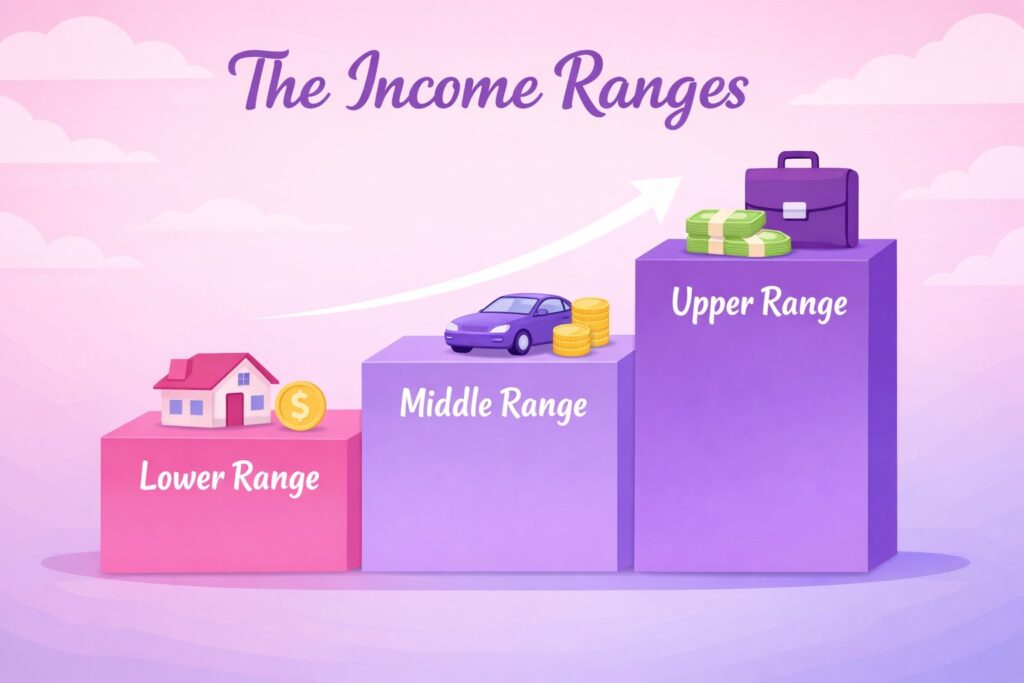
The Income Ranges People Talk About and Why They Vary So Much
Public information and firsthand accounts point to a wide spread in earnings at the high end of companionship. These ranges often overlap, and movement between them over time is common.
Lower Range
Approximately $40,000 to $80,000 per year.
This range is often reported by companions who are new, highly selective, or treating companionship as a part-time or supplemental income source. Availability may be limited by personal choice, another career, or lifestyle priorities. At this level, the focus is often flexibility rather than maximization.
Middle Range
Approximately $100,000 to $200,000 per year
Companions in this bracket are usually established in their market and working independently. Income here reflects steady demand, repeat connections, and consistent scheduling without overextension. Many consider this range sustainable over multiple years when paired with clear boundaries and controlled expenses.
Upper Range
$250,000 per year and above during peak periods
This level is most often associated with companions who have strong name recognition, limited availability, and operate in high-demand markets. These figures typically represent peak years rather than a permanent baseline. Maintaining this range usually requires careful pacing, selectivity, and long-term planning.
Across all brackets, take-home income depends heavily on how someone works rather than what they charge. Scheduling choices, expenses, recovery time, and personal limits all play a role.
What matters most is that earnings in high-end companionship are not linear or guaranteed. The same rates can lead to very different outcomes depending on structure, consistency, and how the work fits into a person’s broader life.
Why Location Plays a Bigger Role Than Most People Expect
Geography shapes income more than many people are willing to admit. Cities with strong business travel, tourism, conventions, and international visitors tend to support higher rates and more consistent demand. Smaller or quieter markets can still be profitable, but earnings often rely more heavily on repeat connections.
Cost of living also changes the equation. Earning a high weekly amount in an expensive city does not always translate into greater financial freedom. Rent, transportation, personal upkeep, and general expenses rise alongside income.
This is why comparing numbers across locations rarely tells the full story. What matters is what remains after everything else is paid.
Independent Work Versus Agency Structures
How companionship is organized has a direct impact on income. Independent companions typically keep a larger share of what they earn, but they also take on more responsibility. Advertising, scheduling, screening, and safety planning all fall on the individual.
Agency-based structures can offer visibility and a degree of stability, but they usually involve commission splits. For some people, that trade-off makes sense. For others, it limits long-term earning potential.
From a financial perspective, independence often allows for greater control and higher net income over time. But it also requires discipline, clear boundaries, and tolerance for uncertainty.
Why Time Management Matters More Than Hourly Rates
One of the most common misconceptions about high-end companionship is that income is simply a matter of charging more per hour. In reality, time management plays a far bigger role.
Companions who earn well over the long term tend to protect their schedules carefully. They avoid overbooking, allow time for rest, and treat recovery as part of the work. This approach may reduce short-term volume, but it protects long-term earning capacity.
Working fewer hours at a premium level often leads to better outcomes than trying to maximize availability. Sustainability matters more than intensity.

The Hidden Costs That Reduce Take-Home Income
Gross earnings can look impressive at first glance, but they rarely reflect what someone actually keeps. High-end companionship involves ongoing expenses that directly affect net income.
- Presentation and personal upkeep. Wardrobe, grooming, fitness, and general appearance require continuous investment. At the premium level, these costs are not optional. They are part of maintaining credibility and consistency.
- Advertising and visibility. Listing fees, promotional placement, photography, and profile maintenance all come with recurring costs. Visibility in competitive markets often requires ongoing spending rather than one-time setup.
- Travel and logistics. Transportation, accommodations, and time spent moving between locations can quietly reduce earnings, especially in large cities or during multi-hour engagements.
- Digital security and privacy tools. Secure communication, device management, and online privacy measures are essential at the high end and often involve monthly or annual expenses.
Beyond financial costs, there are significant time investments that rarely appear in income calculations.
- Unpaid communication and scheduling. Messaging, confirming details, and coordinating availability take time that is not directly compensated.
- Screening and boundary management. Reviewing inquiries and setting expectations requires attention and emotional energy, even when no booking follows.
Because of these factors, experienced companions tend to focus on net income rather than headline figures. What remains after expenses and time investment is what truly defines financial success.
Emotional Labor and Its Impact on Long-Term Earnings
Companionship involves more than physical presence. Attention, emotional awareness, and social energy are part of the work. This emotional labor affects how long someone can sustain the role and how much they can realistically earn over time.
People who underestimate this aspect often struggle, regardless of how strong their branding may be. Those who acknowledge it tend to pace themselves more carefully and price their time accordingly.
Protecting emotional limits is not just a personal concern. It is directly tied to financial longevity.
How Earnings Change Over the Course of a Career
Income in high-end companionship is rarely static. Many people earn the most during the middle phase of their time in the field. Early stages involve learning and positioning. Later stages often involve scaling back or transitioning to other pursuits.
This shift does not signal failure. For many, companionship is a means to fund education, businesses, or personal projects. Others reduce availability as priorities change.
Understanding this natural arc helps set realistic expectations and reduces pressure to maximize income at all costs.
Privacy, Discretion, and Their Financial Value
At the premium level, discretion is part of the service. Companions who are known for professionalism and confidentiality often attract more stable and respectful connections.
This stability can reduce marketing costs and create more predictable income. Over time, reputation becomes a form of financial leverage.
Maintaining privacy, however, also requires investment and discipline. Digital security and clear boundaries are ongoing expenses, not one-time decisions.
Comparing Companionship to Traditional Careers
Some writers compare companionship to conventional employment, especially when discussing time, energy, and compensation. While the comparison is imperfect, it highlights an important point.
Like many demanding careers, high-end companionship rewards reliability, emotional intelligence, and self-management. It also comes with trade-offs that are rarely discussed openly.
For some, the financial upside justifies those trade-offs. For others, it does not. The difference lies in personal priorities, not just numbers.
Why Numbers Alone Never Tell The Full Story
Asking how much high-end companions make is natural. Money feels concrete and measurable. But income figures without context are misleading.
Earnings depend on structure, boundaries, location, and long-term goals. Two people earning the same amount can experience that income very differently.
The most useful conversations about money include context, not just totals.
A Realistic Takeaway
High-end companionship can be financially rewarding, but it is not uniform and it is not effortless. Some earn substantial income for a period of their lives. Others earn enough to support specific goals. Some decide the costs outweigh the benefits.
What ties these experiences together is intention. Those who do best financially are usually clear about why they are there, how they want to work, and how long they plan to continue.
That clarity matters more than any headline figure.
Frequently Asked Questions
Earnings vary widely. Publicly shared information often places annual income anywhere from $40,000 to $200,000, with higher figures possible during peak years for well-established companions in strong markets. There is no fixed or guaranteed amount.
Yes, some companions do reach six-figure income levels. This usually happens after building a reputation, limiting availability, and working independently in high-demand locations. It is more common during certain years rather than consistently long-term.
For some, yes. For others, it functions as flexible or supplemental income. Many companions intentionally limit hours or treat companionship as a temporary phase rather than a lifelong profession.
Income is shaped by location, independence versus agency structures, availability, reputation, expenses, and personal boundaries. How someone manages their time often matters more than advertised rates.
Independent companions typically keep a larger share of their earnings, but they also handle all scheduling, advertising, and screening themselves. Agency structures may reduce take-home income but offer predictability and support for some people.







Leave a Reply